Charting Pathways Where Digital Reward Milestones Influence Preferred Transaction Routes in Unified Gaming Environments
Written by Olivia Beck · Jul 21, 2026
Charting Pathways Where Digital Reward Milestones Influence Preferred Transaction Routes in Unified Gaming Environments
Unified gaming environments combine slots, table games, sports predictions, and live events into single mobile and desktop platforms where players move between activities without separate logins or wallets. Digital reward milestones track cumulative activity across these areas, and data shows these milestones directly shape which funding and withdrawal methods players select at each stage.
How Milestones Map Onto Transaction Choices
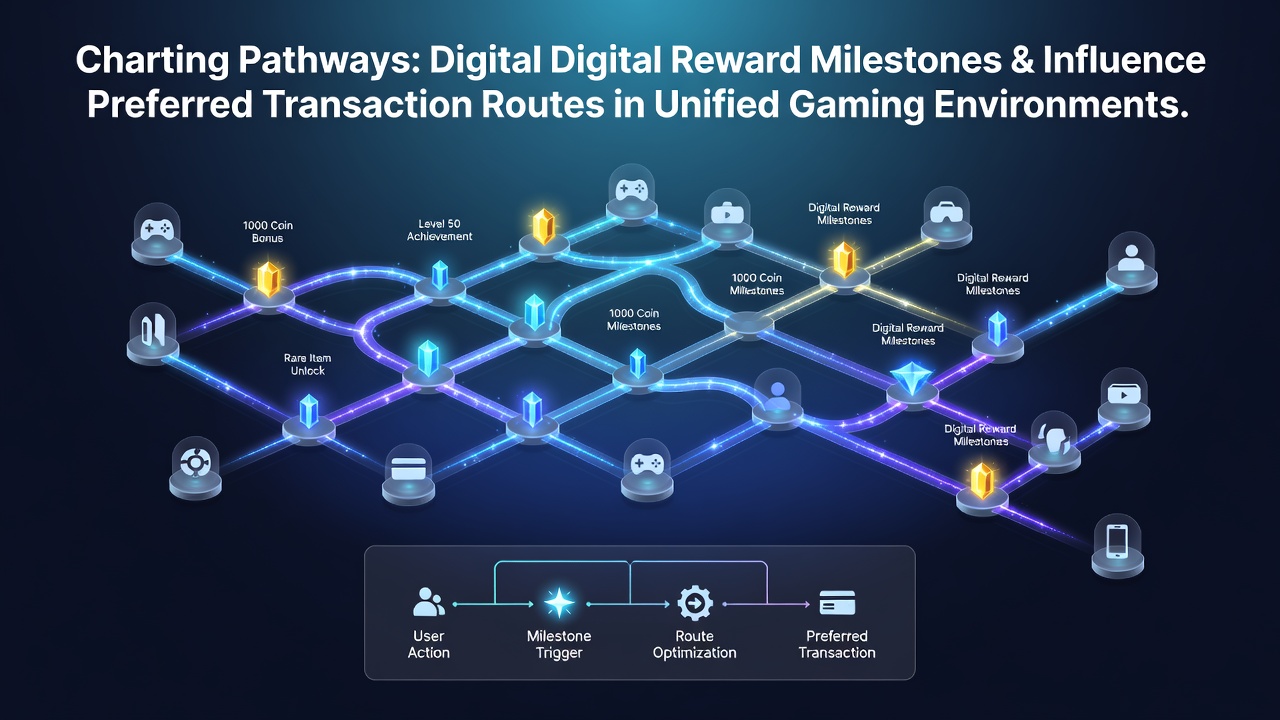
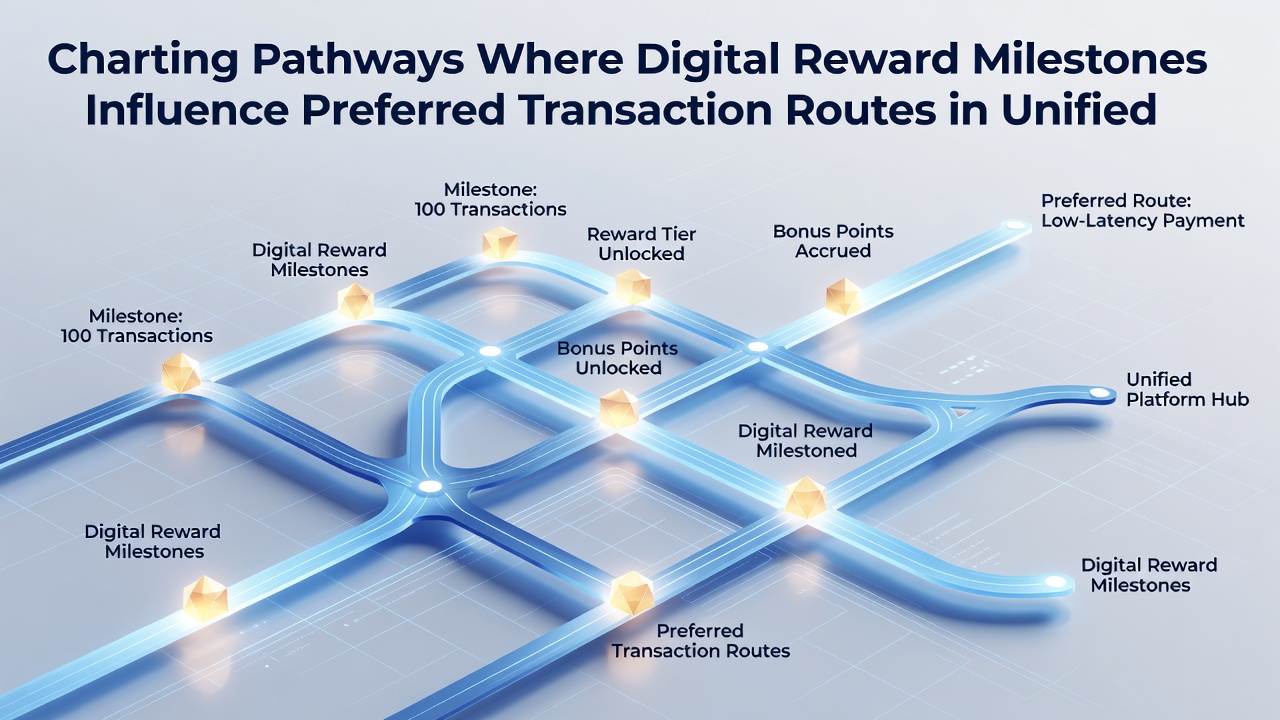
Platforms record every deposit, wager, and cashout in centralized ledgers that assign points or tier status. When a player reaches a milestone such as 500 completed sessions or a set volume of live-event bets, the system unlocks tier benefits that vary by payment rail. Faster rails like certain instant crypto options often pair with higher cashout limits once the milestone is achieved, while slower traditional methods may retain lower fees for lower-tier accounts.
Observers note that milestone thresholds create clear branch points. A player who hits the first major reward level frequently switches from a debit card to an e-wallet that offers instant confirmation because the platform now credits bonus multipliers only through that route. Research from the Canadian Gaming Association indicates that once a milestone unlocks, the share of transactions moving through instant rails rises by measurable margins within the same account.
Data Patterns Emerging in 2026
Figures released in July 2026 by the Alcohol and Gaming Commission of Ontario tracked 1.2 million active unified accounts over six months. The report found that accounts crossing the 10,000-point milestone increased their use of instant settlement rails by 28 percent compared with the previous quarter. Accounts still below that threshold continued routing the majority of deposits through bank transfers that carried lower per-transaction costs but slower confirmation.
Transaction Route Shifts by Milestone Tier
- Entry-level milestones (under 2,500 points) correlate with higher debit-card volume because platforms apply standard processing times without additional incentives.
- Mid-tier milestones (2,500–10,000 points) show increased e-wallet adoption as bonus stacking becomes available only through those rails.
- Upper-tier milestones (above 10,000 points) align with crypto wallet usage that supports same-minute cashouts tied to live-event multipliers.
These patterns hold across both iOS and Android unified applications. The Ontario data set further revealed that players who maintain activity across both chance-based games and sports predictions reach upper milestones faster and exhibit stronger preference for rails that support sub-second settlement.
Platform Architecture and Route Prioritization
Backend systems tag each transaction with milestone metadata. When a player initiates a deposit after reaching a new tier, the interface surfaces only the rails that carry the current reward multiplier. Developers achieve this by linking the rewards engine directly to the payment gateway so that unavailable options simply do not appear once the milestone is recorded.
One documented case involves a platform that introduced a 15,000-point milestone in early 2026. Within four weeks, the proportion of deposits routed through its partnered instant crypto solution rose from 19 percent to 41 percent among accounts that had crossed the threshold. Accounts below the milestone showed no comparable shift, confirming that the change stemmed from the reward structure rather than broader market trends.
Regulatory Context and Reporting Requirements
Regulators in multiple jurisdictions require platforms to log how reward milestones affect payment flows. The July 2026 Ontario dataset included anonymized route logs that allow oversight bodies to verify that preferential routing does not create undue concentration in any single rail. Similar reporting frameworks exist in other Canadian provinces and in several Australian states where unified platforms operate under centralized licensing.
These logs also help identify whether certain transaction methods become default choices only after specific milestones, which supports ongoing evaluation of responsible-gaming controls. Because the data remains aggregated, individual player identities stay protected while aggregate patterns remain visible to compliance teams.
Conclusion
Digital reward milestones function as decision nodes that steer transaction volume toward particular rails in unified environments. July 2026 data from Ontario and parallel reporting structures elsewhere demonstrate measurable, consistent shifts once thresholds are crossed. Platform architecture enforces these shifts by surfacing only qualifying rails at each tier, while regulatory logs provide transparent oversight of the resulting route distributions. The pathways are therefore both technical and behavioral, created jointly by milestone definitions, interface design, and recorded player responses.