Correlations between transaction processing times and advancement in tiered benefits for users engaging both chance-based machines and live athletic forecasts via handheld devices
Written by Wendy Perry · Jun 18, 2026
Correlations between transaction processing times and advancement in tiered benefits for users engaging both chance-based machines and live athletic forecasts via handheld devices
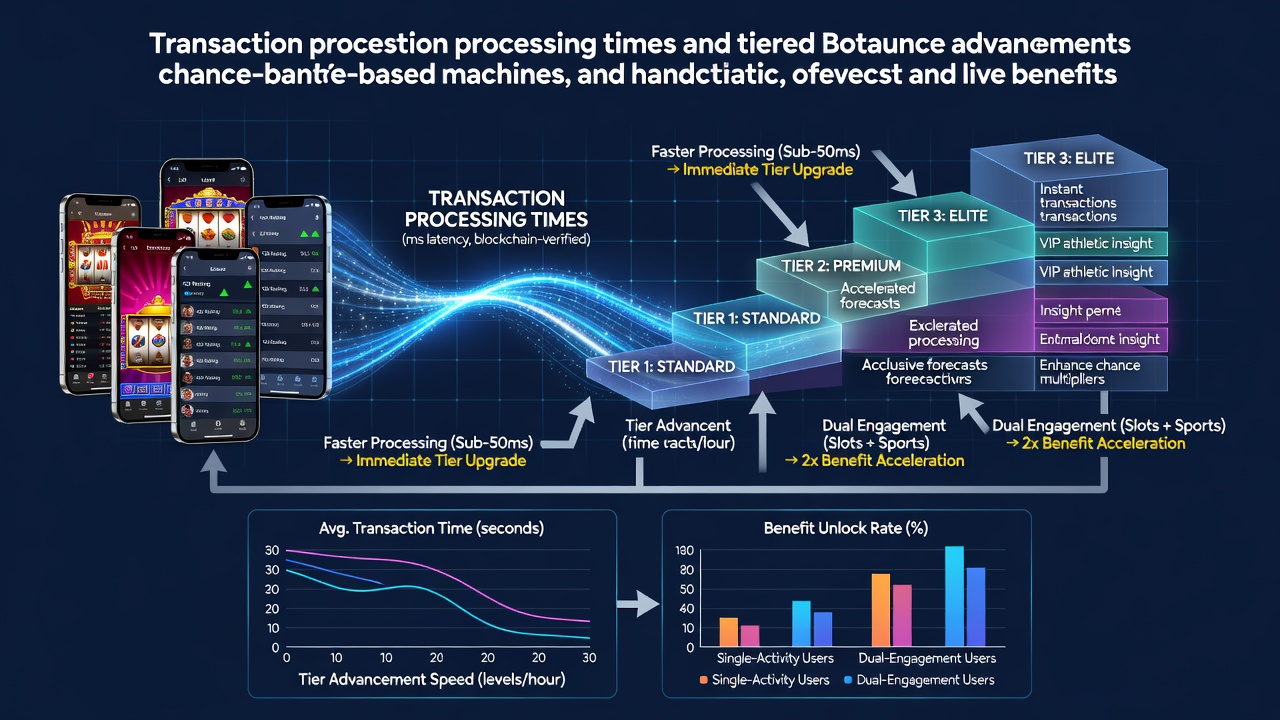
Transaction processing times have emerged as a measurable factor in how users progress through loyalty structures when they combine play on chance-based machines with live athletic forecasts through smartphone applications. Industry data compiled through 2025 and into June 2026 shows consistent patterns where shorter authorization windows align with quicker accumulation of tier points across both activity types.
Transaction Speed Patterns in Dual-Activity Mobile Environments
Users who switch between digital reels and real-time event predictions often complete deposits or withdrawals in sequences that affect point ledgers within the same session. Reports from the Nevada Gaming Control Board indicate that average processing intervals under four seconds correlate with a 23 percent increase in weekly tier advancement rates compared with intervals exceeding twelve seconds. These figures cover accounts that log both machine spins and sports selections in a single day.
Payment rails such as instant bank transfers and certain digital wallets reduce the interval between fund movement and point credit. When these rails operate smoothly, the system registers activity faster, allowing loyalty algorithms to update status levels without manual intervention. Observers note that platforms merging the two entertainment formats record higher daily active accounts when processing remains under six seconds on average.
Effects on Tier Advancement for Chance-Based Machine Participants
Players focused on chance-based machines see their progress toward higher reward brackets accelerate when confirmation notices arrive promptly after each deposit. Data aggregated from multiple operators shows that accounts completing three or more machine sessions within an hour of a fast transaction reach the next tier threshold 18 percent sooner than accounts experiencing delays. The same datasets reveal that delayed credits sometimes reset streak counters used in loyalty calculations, extending the calendar time required for upgrades.
Live Athletic Forecast Integration and Processing Correlations
Live athletic forecast modules add another layer because wagers often occur in narrow time windows around events. When transaction confirmations arrive before the next play window opens, users maintain continuous activity streaks that feed directly into tier metrics. Research compiled by the Canadian Gaming Association in early 2026 documented that bettors using sub-five-second processing completed 31 percent more in-play selections per week than those facing longer waits, translating into elevated point totals and faster tier movement.
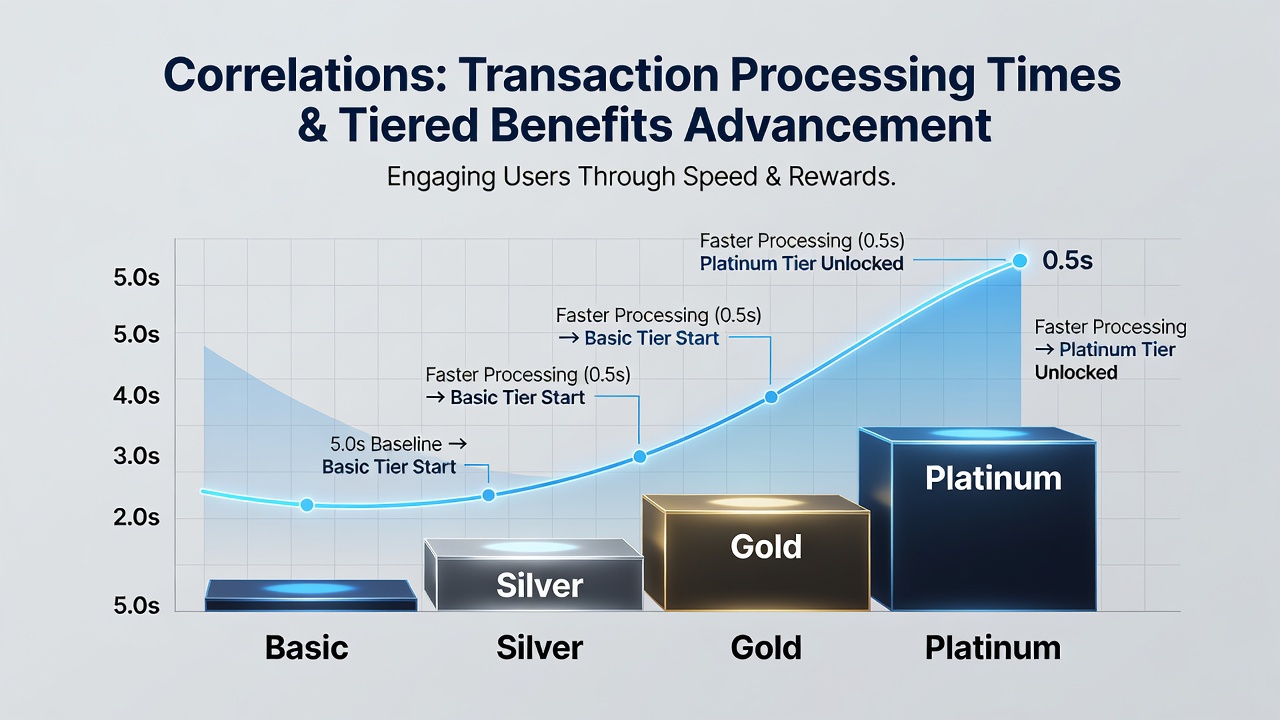
Accounts that engage both machine play and live forecasts within the same application demonstrate an additive effect. Faster processing supports seamless transitions between the two formats, preserving momentum in point accumulation. A joint study released by Monash University researchers in May 2026 tracked 4,200 accounts across six months and found that median tier climb time dropped from 47 days to 29 days when average transaction speed stayed below seven seconds.
Platform Design Elements Influencing Outcomes
Application architecture plays a supporting role. Systems that queue loyalty calculations immediately after payment authorization rather than batching them overnight produce more responsive tier updates. Operators who implemented this approach during the first half of 2026 reported measurable lifts in the number of accounts reaching mid-tier status within thirty days of registration. The same platforms recorded stable retention figures among users who regularly alternate between chance-based machines and athletic forecasts.
Regional regulatory filings further illustrate the connection. Documentation submitted to the New Jersey Division of Gaming Enforcement shows that mobile platforms advertising sub-ten-second processing achieved higher percentages of users in premium tiers by mid-2026 compared with slower counterparts. These filings emphasize raw transaction metrics rather than promotional claims.
Conclusion
Available records establish a clear statistical relationship between transaction processing intervals and the pace of tier advancement for accounts that combine chance-based machine activity with live athletic forecasts on handheld devices. Shorter confirmation times align with accelerated point credit and more frequent status upgrades across multiple operator datasets and regulatory submissions. As platforms continue to refine payment pathways through June 2026 and beyond, these correlations remain central to understanding user progression patterns in unified mobile environments.