Decoding Synergies Between Funding Choices and Tiered Reward Structures in Wireless Sports Prediction Tools
Written by Alex Lange · May 26, 2026
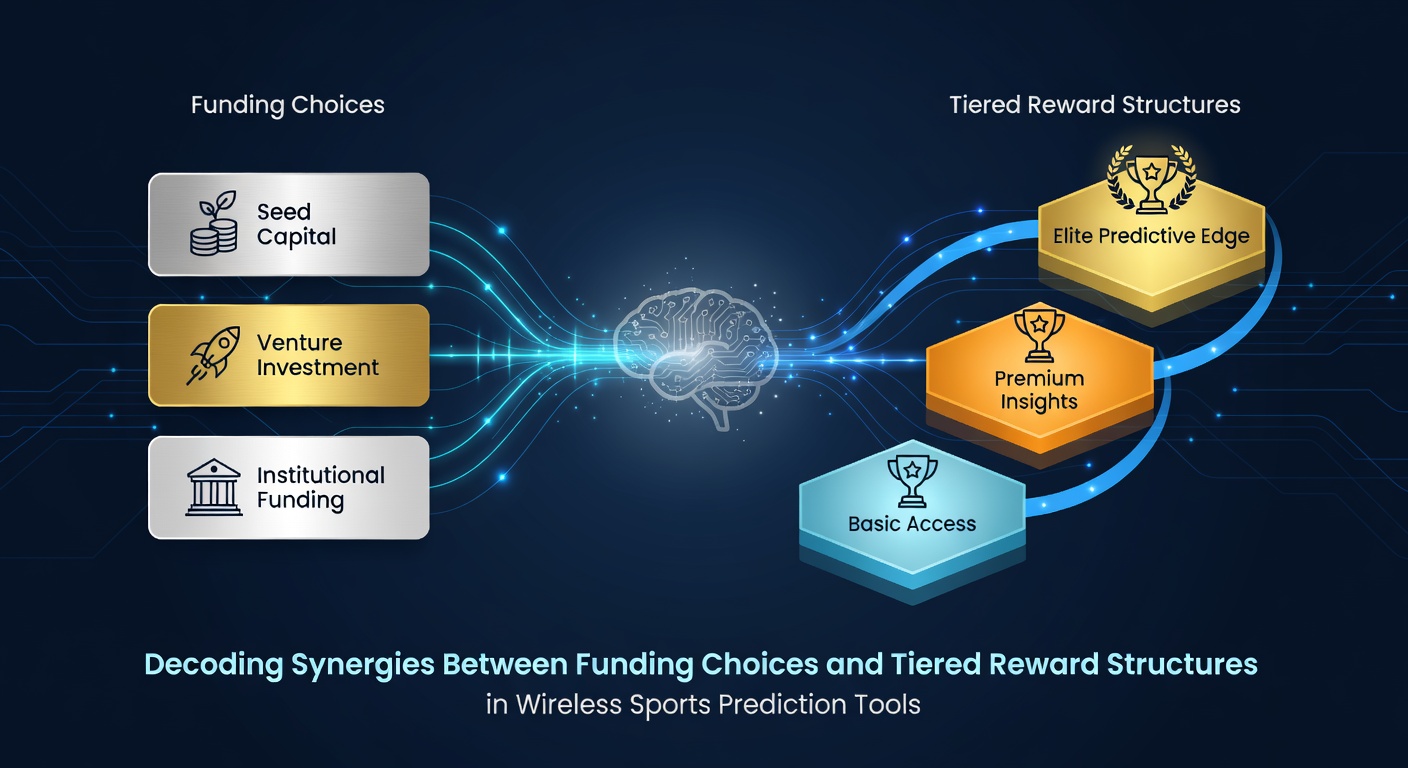
Decoding Synergies Between Funding Choices and Tiered Reward Structures in Wireless Sports Prediction Tools
Wireless sports prediction tools have expanded rapidly as mobile applications connect users to real-time event data and structured reward programs, and payment methods now interact directly with tier progression mechanics in ways that shape user engagement patterns. Funding choices range from traditional bank transfers and credit card authorizations to instant e-wallet services and digital asset transfers, each carrying distinct processing timelines that influence how quickly participants meet deposit thresholds required for tier advancement.
Payment Velocity and Tier Eligibility Mechanics
Observers note that deposit speed often determines the interval between initial registration and qualification for entry-level rewards, since many platforms calculate tier status based on cumulative funded amounts within defined periods. Faster options such as certain e-wallets allow users to reach bronze or silver thresholds within a single session, whereas slower bank transfers extend that timeline across multiple days and delay access to associated benefits like enhanced prediction multipliers or priority support channels.
Data from mobile betting platforms indicates that users who select instant funding routes accumulate qualifying activity at higher rates during active sports seasons, creating measurable differences in tier distribution across user cohorts. Regulatory filings in several jurisdictions document these patterns without prescribing specific design requirements, leaving operators to calibrate their own structures around available payment rails.
Integration Patterns Across Geographic Markets
Platforms operating in North America and Europe have documented variations in how regional payment preferences align with reward matrices, with Canadian operators often emphasizing Interac-based transfers that clear within minutes and feed directly into automated tier calculations. Australian systems, by contrast, frequently incorporate POLi or similar bank-direct methods that achieve similar velocity while complying with local financial reporting standards. These regional adaptations produce observable differences in average time-to-tier across comparable user bases.
Structural Interactions Between Funding Sources and Reward Ladders
Tiered programs typically define progressive benefit levels through metrics that combine deposit volume, prediction accuracy, and account tenure, yet the funding method itself can modify the effective weight of each deposit toward those calculations. Some systems apply multipliers to deposits completed via approved instant channels, accelerating progress toward gold or platinum status, while others maintain uniform counting regardless of source but prioritize users with demonstrated payment reliability for higher-value reward redemptions.
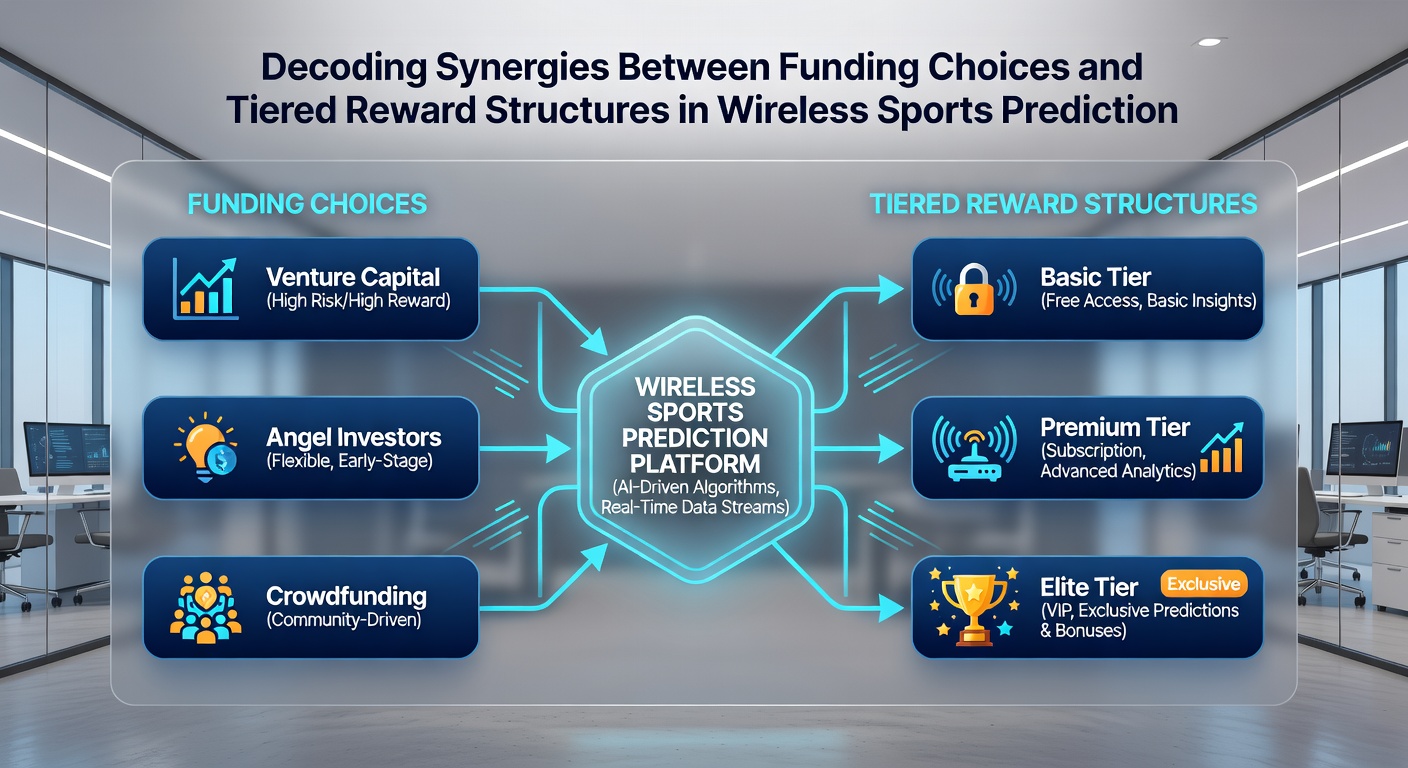
Researchers tracking platform analytics have recorded cases where users switching from card-based funding to verified digital wallets experienced compressed timelines for unlocking loyalty perks during the 2025-2026 season cycle. In May 2026, several major operators introduced unified APIs that synchronize real-time payment confirmations with tier engines, reducing latency between transaction completion and reward activation from hours to seconds in supported regions.
Operational Examples and Data Trends
One documented implementation involves a North American platform that links specific wallet providers to accelerated point accrual rates, resulting in higher retention among users who route recurring deposits through those channels. Figures released by the Canadian Responsible Gambling Council show correlations between payment method diversity and tier mobility rates, with users accessing multiple funding options demonstrating greater movement across loyalty brackets over six-month observation windows.
European operators have reported similar patterns following the rollout of open banking integrations that permit direct account-to-account transfers without intermediary delays, and these changes coincided with measurable upticks in mid-tier participation during major tournament periods. The Australian Gambling Research Centre has published summaries indicating that platforms offering tiered incentives tied to verified instant deposits maintain steadier user cohorts compared with those relying solely on traditional rails.
Future Calibration and Platform Adjustments
Operators continue refining the mapping between available funding instruments and reward eligibility rules as new payment technologies emerge and user preferences shift. Adjustments announced for late 2026 include expanded support for stablecoin transfers in select markets, with preliminary testing showing further compression of tier unlock intervals when these options integrate with existing loyalty engines. Such developments remain subject to evolving compliance frameworks across jurisdictions, yet they illustrate ongoing alignment between transaction infrastructure and structured reward delivery in wireless sports prediction environments.
Conclusion
Funding choices and tiered reward structures in wireless sports prediction tools operate as interconnected systems where processing speed, verification standards, and regional payment norms collectively influence progression rates and benefit access. Continued platform updates and regulatory reporting will shape how these synergies evolve through subsequent seasons.