Decoding Time-Sensitive Incentive Structures Across Combined Sports Forecasting and Chance Selection Applications
Written by Alex Lange · Aug 15, 2026
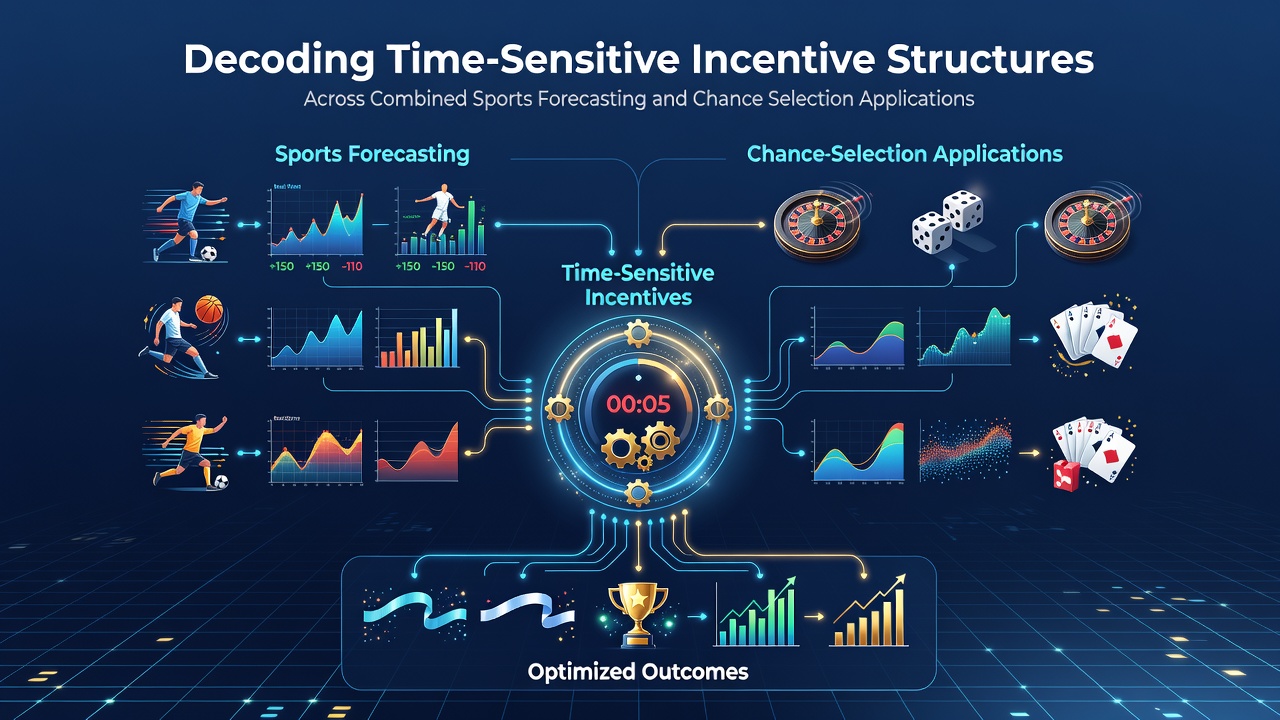
Decoding Time-Sensitive Incentive Structures Across Combined Sports Forecasting and Chance Selection Applications
Combined sports forecasting and chance selection applications integrate live event predictions with digital games of chance on single platforms, and these systems often embed time-sensitive incentives to shape user activity across both segments. Observers note that such structures typically include countdown timers on deposit matches, multiplier boosts tied to specific events, and tiered rewards that expire within defined windows, all calibrated to encourage simultaneous engagement with betting markets and slot or table mechanisms.
Data from industry reports shows that operators in regulated markets track how these incentives influence deposit patterns and session lengths, with particular attention to correlations between sports event schedules and casino game participation. Researchers at institutions like the University of Nevada Reno have examined these dynamics through aggregated transaction data, revealing that incentives active during major sporting windows frequently coincide with elevated volumes in chance-based features.
Core Components of Time-Bound Reward Mechanisms
Time-sensitive structures operate through several defined layers. First, operators set expiration intervals ranging from hours to several days on promotional credits that apply across both forecasting tools and random outcome generators. Second, loyalty point multipliers activate only during overlapping periods when users place wagers on live contests and then transition to chance selection rounds within the same session. Third, cashback offers tied to net losses reset at fixed intervals, requiring users to meet activity thresholds before the window closes.
Figures from the New Jersey Division of Gaming Enforcement indicate that platforms combining these elements reported measurable shifts in user routing between product types during incentive periods in 2025. Those who studied the patterns found that shorter expiration windows tended to concentrate activity around peak event times, whereas longer windows allowed more distributed engagement across the week.
Integration Patterns in Mobile Environments
Applications that merge the two categories rely on unified account ledgers and shared progress trackers, which allow incentive eligibility to carry across forecasting and chance modules without separate qualification steps. A user who completes a time-limited sports prediction challenge, for instance, may unlock an immediate multiplier available only for a subsequent chance selection round. This linkage reduces friction while enforcing temporal constraints that operators adjust based on traffic analytics.
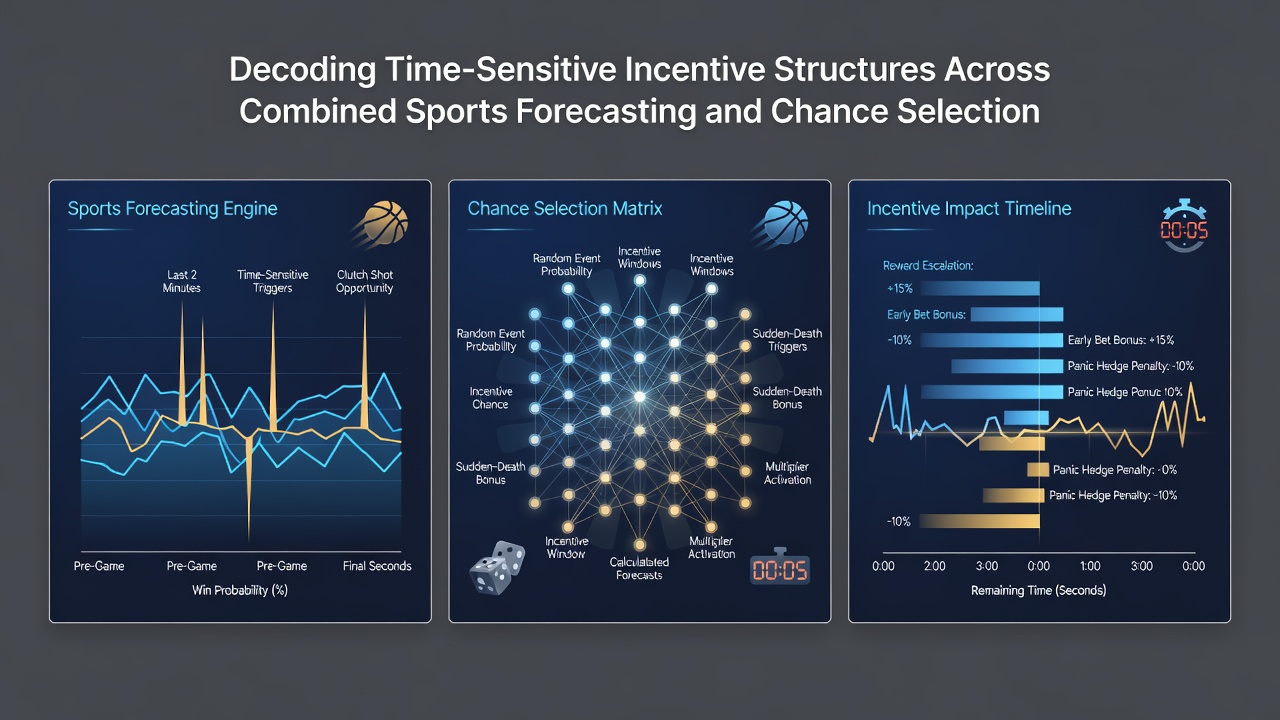
According to transaction summaries released by the Nevada Gaming Control Board, combined platforms recorded higher average deposit frequencies when incentive clocks aligned with both sports calendars and daily casino promotions. Experts tracking these metrics observed that users frequently alternated between the two activity types to maintain eligibility, creating measurable flows of funds between forecasting accounts and chance game balances within single incentive cycles.
Regulatory Context and Reporting Standards
Regulatory bodies in multiple jurisdictions require operators to disclose the parameters of time-sensitive offers, including clear expiration details and eligibility conditions. In August 2026, updates from the Australian Communications and Media Authority emphasized standardized display formats for countdown elements to reduce ambiguity around combined product incentives. Compliance documentation from that period shows that platforms must log user notifications sent before incentive deadlines and retain records of how those notices correlated with subsequent activity in either sports or chance modules.
Industry associations such as the Canadian Gaming Association have compiled comparative data across provinces, noting that jurisdictions with stricter timing disclosure rules experienced different patterns of cross-product movement compared with more flexible regimes. These reports highlight that operators adjust incentive durations seasonally, often shortening windows around high-profile events to manage liability exposure while sustaining participation rates.
Technical Implementation and Data Tracking
Backend systems supporting these applications use synchronized timers that reference both external event schedules and internal game cycles. When a sports forecasting window closes, the platform automatically evaluates whether any pending chance selection bonuses remain active, then either extends eligibility or triggers settlement processes. Developers implement these rules through API calls that update user profiles in real time, ensuring that no incentive persists beyond its programmed limit.
Studies conducted by research groups at the University of Sydney have analyzed anonymized logs from similar systems, finding that precise timestamp alignment between the two product categories correlates with distinct behavioral sequences. Users who receive notifications at the midpoint of an incentive period often complete a sports prediction first, then allocate remaining time to chance selection features before the deadline.
Conclusion
Time-sensitive incentive structures in combined sports forecasting and chance selection applications function through interconnected timers, shared eligibility rules, and regulatory-mandated disclosures that govern activity across both segments. Data from oversight agencies and academic analyses demonstrate consistent patterns in how expiration mechanics influence fund movement and session composition. Operators continue to refine these parameters in response to reporting requirements and observed transaction trends, maintaining distinct operational frameworks within regulated markets.