Examining the Influence of Funding Pathways on Loyalty Program Dynamics in Smartphone Applications Blending Chance Games and Live Sports Predictions
Written by Wendy Perry · Jun 20, 2026
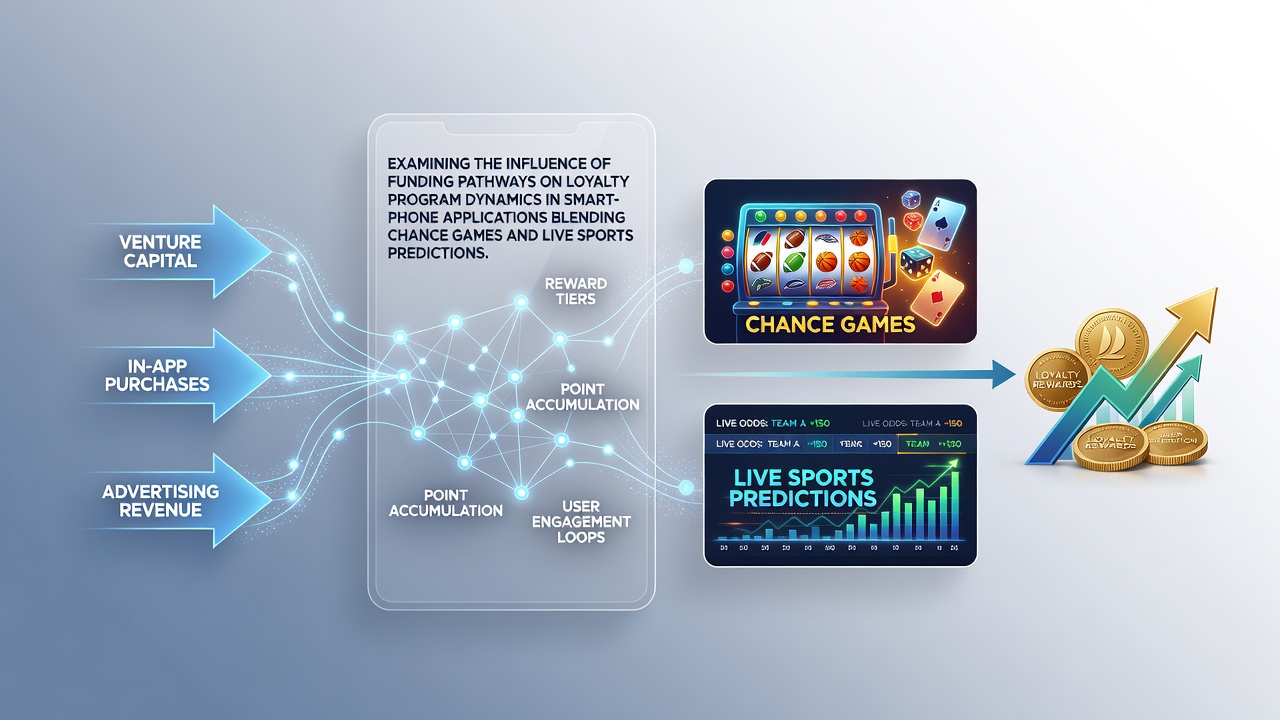
Examining the Influence of Funding Pathways on Loyalty Program Dynamics in Smartphone Applications Blending Chance Games and Live Sports Predictions
Data from multiple industry analyses shows that funding pathways directly shape how users accumulate and redeem rewards in smartphone applications that combine chance-based games with live sports predictions, and this relationship has grown more pronounced as hybrid platforms expand their user bases through 2026. Payment methods such as bank transfers, digital wallets, and cryptocurrency options each carry distinct processing characteristics that operators map to point multipliers, tier advancement thresholds, and bonus eligibility rules within these integrated environments.
Payment Method Structures and Point Allocation Mechanisms
Operators typically assign different earning rates based on deposit source because transaction fees, verification times, and risk profiles vary across funding channels. Credit card deposits often receive baseline multipliers while e-wallet transactions trigger accelerated point accrual in many systems, since these methods reduce processing overhead and improve cash flow predictability. Cryptocurrency pathways, meanwhile, frequently unlock separate loyalty tiers because blockchain confirmations provide immutable records that simplify audit trails for reward calculations.
Researchers tracking user behavior across hybrid applications have documented consistent patterns where users who fund accounts through instant verification methods reach mid-level loyalty tiers faster than those relying on traditional bank rails. One study released in early 2026 noted that average time-to-tier advancement dropped by measurable percentages when participants switched from slower settlement options to real-time digital alternatives, particularly in applications that synchronize slot mechanics with in-play sports event predictions.
Integration of Chance Games and Live Event Predictions
Hybrid applications merge random outcome games with prediction tools that reference ongoing athletic competitions, creating unified reward ecosystems where activity across both categories contributes to the same loyalty balance. Funding pathways influence this integration because deposit speed determines how quickly users can move between game types without interrupting streak bonuses or multiplier windows tied to live events. When a deposit clears instantly, participants maintain continuous engagement across a roulette spin sequence and a concurrent sports outcome forecast, allowing points earned in one module to compound with activity in the other.
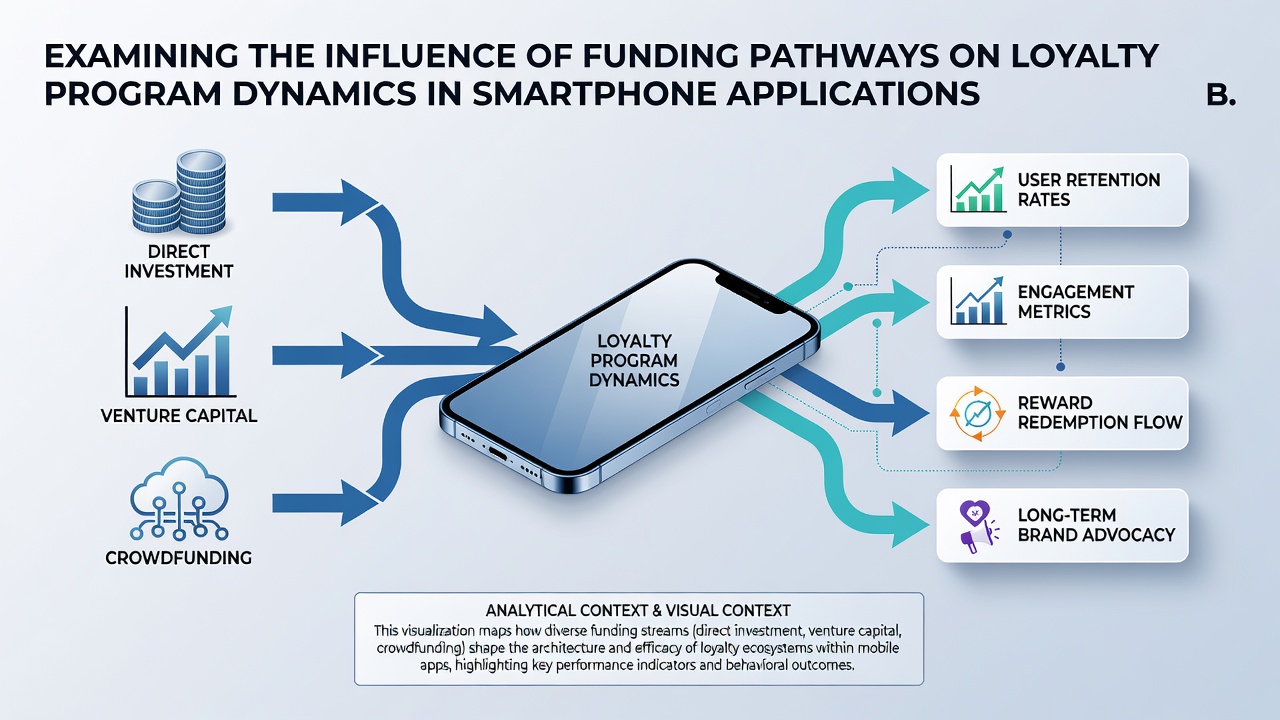
Transaction logs analyzed by platform operators reveal that users who select funding methods with built-in loyalty partnerships accumulate cross-category rewards at higher volumes. These partnerships often link specific payment providers to enhanced point rates during live sports windows, creating temporary incentives that only activate after a qualifying deposit registers within the application. The result appears in aggregated data sets where certain funding routes correlate with elevated combined session lengths spanning both prediction tools and chance game features.
Regulatory Developments and Industry Reporting in Mid-2026
Updated compliance frameworks scheduled for implementation around June 2026 require clearer disclosure of how deposit methods affect reward structures, prompting several major operators to publish revised loyalty matrices that explicitly list funding pathway multipliers. Regulatory bodies in multiple jurisdictions, including the New Jersey Division of Gaming Enforcement, have requested detailed reporting on these linkages to ensure transparency for users who engage with blended gaming and prediction products. Industry organizations such as the American Gaming Association have compiled comparative data showing regional differences in how operators structure these incentives, with some markets favoring cryptocurrency pathways while others emphasize traditional banking integrations.
Academic examinations of transaction data further indicate that loyalty program retention rates improve when funding options align with user preferences for speed and verification simplicity. One analysis published through the Journal of Gambling Studies examined user cohorts across several hybrid applications and found statistically significant differences in tier progression speed based solely on the primary deposit method selected during account setup.
Observed Patterns Across User Segments
Segmented reporting from platform analytics teams demonstrates that high-frequency users who rotate among multiple funding sources often maintain higher loyalty balances because they strategically select pathways tied to current promotional multipliers. Conversely, users who consistently employ a single slower-settlement method show steadier but lower overall point accumulation rates, particularly when live sports prediction windows require rapid re-deposits to capitalize on shifting event odds. These patterns hold across applications that blend chance game sessions with real-time athletic forecasts, suggesting the influence of funding pathways extends beyond isolated game categories into the broader engagement ecosystem.
Conclusion
Funding pathways continue to function as structural determinants within loyalty program design for smartphone applications that integrate chance games and live sports predictions. Available data through mid-2026 illustrates measurable connections between deposit characteristics and reward progression metrics, while emerging regulatory requirements emphasize greater transparency around these operational linkages. Operators adjust point allocation rules according to transaction profiles, and users respond by selecting methods that align with desired engagement patterns across both prediction adn chance-based modules.