Financial Route Efficiencies Shaping Incentive Structures in Wireless Platforms Merging Chance Games with Competitive Event Betting
Written by Yves Keller · Jun 6, 2026

Financial Route Efficiencies Shaping Incentive Structures in Wireless Platforms Merging Chance Games with Competitive Event Betting
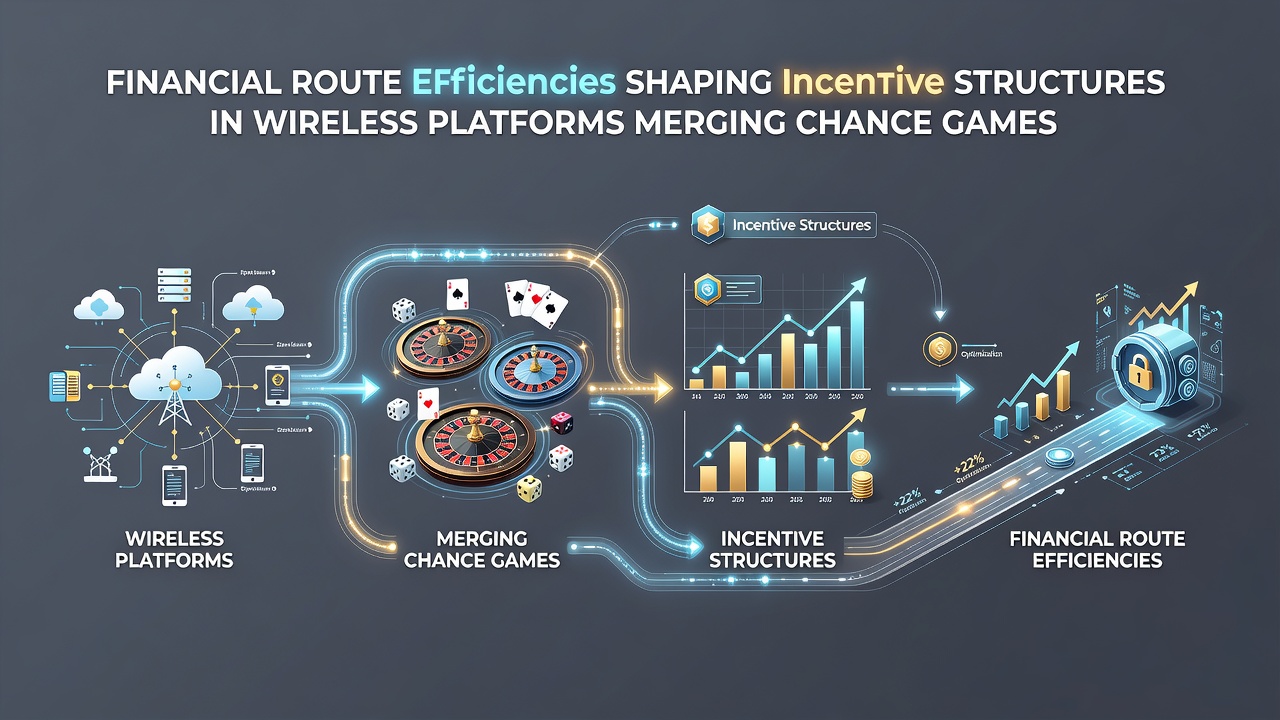
Wireless platforms that combine chance-based games with competitive event betting continue to refine their financial processing pathways, and these adjustments directly influence the design of incentive programs for users. Payment route efficiencies, including reduced transaction times and lower processing costs, allow operators to allocate resources toward tiered rewards and multiplier systems that encourage sustained engagement across both game types.
Payment Pathway Developments and Their Reach
Operators have expanded options such as instant bank transfers, digital wallets, and select cryptocurrencies in recent years, and these choices affect how quickly users access bonuses or advance through loyalty levels. Data from the Nevada Gaming Control Board shows transaction volumes in mobile betting categories rose steadily through 2025, with platforms reporting average deposit completion times dropping below two minutes for optimized routes. This speed enables real-time crediting of promotional credits, which in turn supports hybrid reward structures where a single deposit can unlock features for both slot-style chance games and live sports event predictions.
Research from the University of Nevada, Reno Center for Gaming Research indicates that platforms integrating these efficient routes see higher retention rates in merged environments, because users encounter fewer interruptions between depositing funds and entering competitive betting markets or chance game sessions. The interplay becomes evident when instant verification protocols reduce verification delays, allowing loyalty points to accrue across game categories without separate tracking systems.
Incentive Structures Built on Route Performance
Wireless applications now calibrate bonus stacking and tier unlocks according to the reliability of specific financial channels, and this calibration appears in reward matrices that prioritize faster payout methods. Users selecting low-latency options often receive accelerated progress toward VIP thresholds, where multipliers apply simultaneously to chance game jackpots and event betting odds enhancements. Figures released by the Canadian Gaming Association for the 2025 fiscal year reveal that integrated platforms using streamlined crypto routes processed over 40 percent more cross-category transactions than those relying on traditional card networks alone.
One documented approach involves dynamic incentive scaling, where deposit speed and fee efficiency determine the size of live event multipliers available during major sporting competitions. Platforms adjust these parameters automatically, so participants using preferred routes gain access to combined promotions that link roulette outcomes with real-time event betting opportunities. Observers note this creates unified progress tracking without requiring users to navigate separate wallets or loyalty ledgers.
Regulatory Context Entering Mid-2026
Proposed adjustments to anti-money laundering frameworks, scheduled for phased implementation around June 2026, are prompting operators to audit their financial routes for compliance while maintaining incentive continuity. The Australian Transaction Reports and Analysis Centre has outlined expectations for real-time monitoring of high-velocity transactions, which directly intersects with the design of reward programs in merged gaming environments. Platforms that already employ efficient verification layers find it easier to adapt reporting requirements without altering user-facing bonus mechanics.
Industry reports from the European Gaming and Betting Association highlight that operators maintaining diverse route options can better absorb compliance costs, thereby preserving the scale of loyalty accelerations tied to deposit activity. This adaptability supports continued integration of chance games with competitive event betting, where incentive structures must function seamlessly across both verticals.
Operational Examples Across Markets
Platforms operating in multiple jurisdictions demonstrate how route efficiencies translate into practical incentive changes. In one instance, a North American operator reduced average settlement times for event betting payouts by adopting optimized wallet integrations, which then permitted the extension of combined multipliers to chance game sessions within the same application. Similar patterns appear in Asian markets, where local digital payment systems enable faster tier progression for users participating in both sports predictions and random outcome games.
These adjustments reflect measurable shifts in user behavior data, with platforms documenting increased session lengths when financial pathways align with unified reward delivery. The result is a tighter linkage between transaction performance and the availability of features that span chance and competitive elements.
Conclusion
Financial route efficiencies continue to serve as a foundational element in shaping how wireless platforms structure incentives within environments that merge chance games and competitive event betting. As transaction speeds improve and compliance frameworks evolve toward June 2026, operators adjust reward matrices to reflect the performance of specific payment channels, creating interconnected systems that reward users across multiple game formats. Available data from regulatory and academic sources confirms these patterns without indicating uniform outcomes across all markets.