How Encryption Protocols Shape Secure Transaction Flows in Cross-Border Digital Wagering Networks
Written by Wendy Perry · Aug 4, 2026
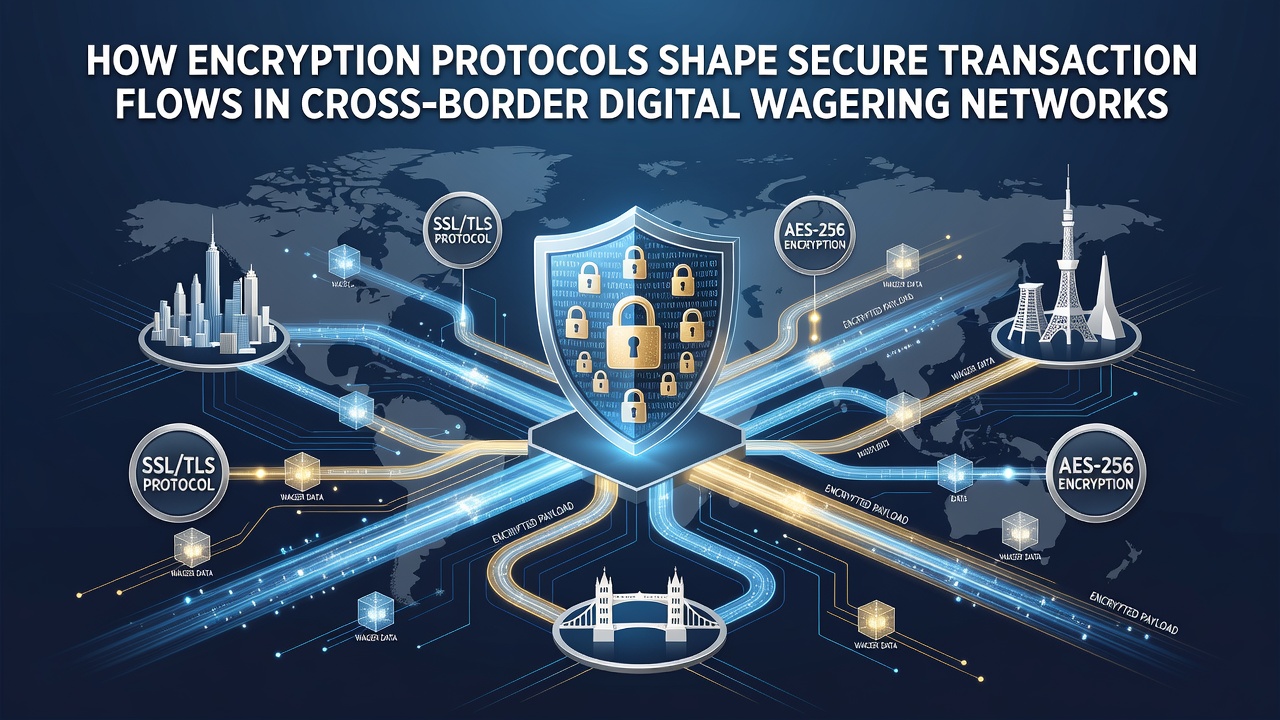
How Encryption Protocols Shape Secure Transaction Flows in Cross-Border Digital Wagering Networks
Encryption protocols form the backbone of transaction security across borders in digital wagering, where data must travel through multiple jurisdictions while maintaining confidentiality and integrity at every step, and operators rely on standardized methods to handle player funds without exposing sensitive details during transmission. Research from the National Institute of Standards and Technology shows that AES-256 encryption combined with TLS 1.3 handshakes reduces interception risks in high-volume environments by encrypting payloads before they leave the originating server.
Cross-border flows introduce additional layers because latency varies between regions and regulatory requirements differ on data residency, yet protocols adapt through mutual authentication steps that verify both endpoints before any funds move, and this process ensures that transaction requests from one country reach processing centers elsewhere without intermediate exposure. Observers note that these mechanisms prevent replay attacks by incorporating unique session tokens that expire quickly after use.
Core Protocols Driving Transaction Integrity
Protocols like TLS 1.3 handle the initial connection setup in wagering platforms by negotiating cipher suites that prioritize forward secrecy, which means even if long-term keys become compromised later the past sessions remain protected, and this matters particularly when bets cross from European servers to Asian processing hubs where network hops increase exposure windows. Data indicates that elliptic curve cryptography within these suites speeds up key exchanges while maintaining equivalent security levels to older RSA methods.
Additional layers include HMAC for message authentication that confirms no tampering occurred during transit, while AES-GCM provides authenticated encryption that combines confidentiality with integrity checks in a single operation, and networks handling live event wagering often layer these on top of VPN tunnels for extra isolation between regional gateways. Researchers have documented that such combinations cut successful breach attempts significantly in simulated multi-jurisdiction tests.
Adaptations for Jurisdictional Differences
Operators must adjust encryption parameters when moving transactions between frameworks such as those in Canada and Australia, where data localization rules require certain keys to stay within national borders even as the wagering activity itself spans continents, and this leads to hybrid architectures that split session management across compliant zones without breaking the overall flow. Studies from academic institutions in these regions reveal that mismatched protocol versions between borders create bottlenecks that platforms resolve through automatic downgrades or upgrades during negotiation phases.
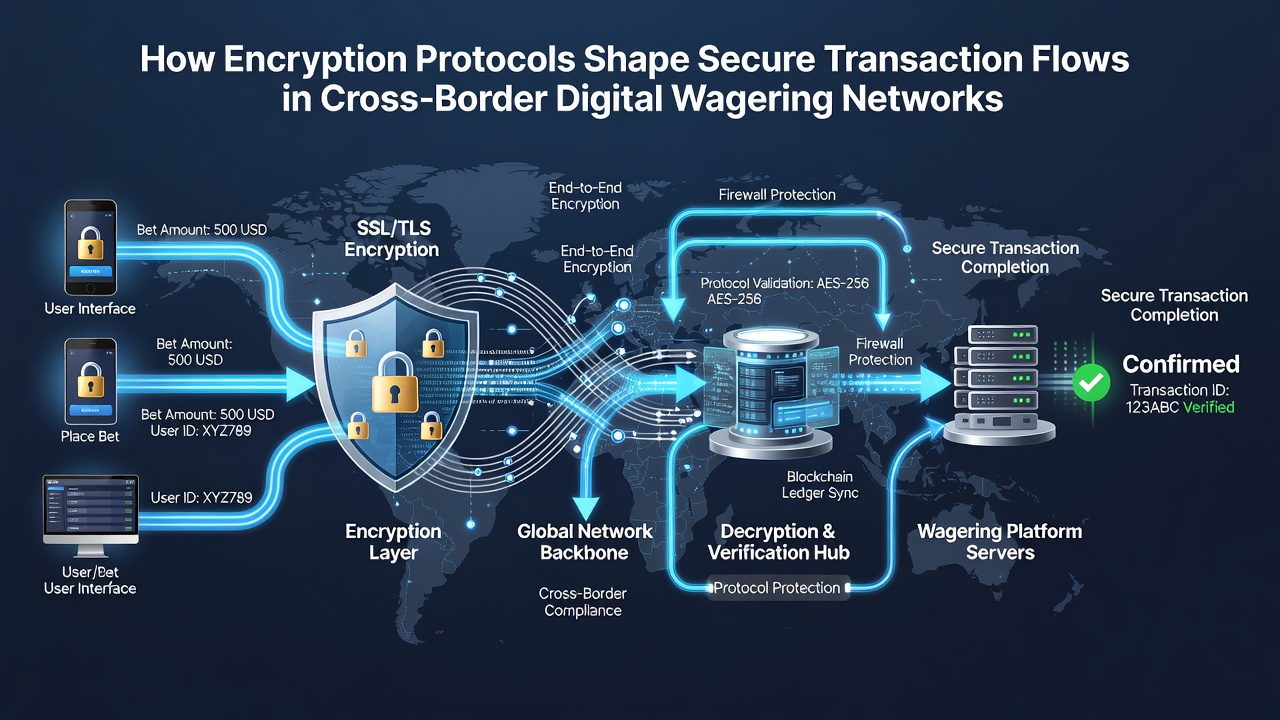
By August 2026 several updates to post-quantum cryptography standards are scheduled to integrate into existing wagering infrastructures, allowing networks to test hybrid key exchanges that combine classical and quantum-resistant algorithms without disrupting current transaction volumes, and early trials show these additions maintain sub-second response times for deposit and withdrawal sequences. Those who monitor regulatory shifts across the EU and North America point out that compliance testing now includes mandatory audits of encryption logs to verify protocol adherence during cross-border handoffs.
Real-World Implementation Patterns
Take one network that routes sports prediction wagers from South American users through North American clearinghouses, where encryption ensures card details and bet amounts stay protected while routing through intermediate nodes that only see encrypted metadata, and this setup allows faster settlement because verification happens at the protocol level rather than through repeated manual checks. Figures from industry reports highlight how such flows handle thousands of concurrent sessions daily without performance degradation when proper cipher prioritization is applied.
Another pattern emerges in platforms merging table games with event-based multipliers, where end-to-end encryption extends from mobile app to backend ledger so that loyalty point calculations tied to transactions cannot be altered mid-stream, and observers tracking these systems note the use of certificate pinning to block man-in-the-middle attempts common in less regulated transit regions. What's interesting is how these measures also support audit trails that regulators in multiple countries can access without decrypting individual player data.
Links to authoritative sources appear naturally in discussions of standards, such as NIST publications on cryptographic modules and reports from Canadian government privacy assessments that examine encryption efficacy in financial flows. These references help clarify why certain protocol choices dominate in international wagering setups.
Conclusion
Encryption protocols continue to define the boundaries of what remains feasible in cross-border digital wagering by enforcing secure pathways that adapt to both technical and regulatory demands, and ongoing refinements ensure transaction data stays protected even as network topologies grow more complex through 2026 and beyond. The interplay between established standards and emerging requirements creates systems where speed and security coexist without one compromising the other in measurable ways.