How Sequential Play Across Chance-Based and Competitive Prediction Features Shapes Access to Elevated Reward Categories in Portable Interfaces
Written by Olivia Beck · Jun 27, 2026
How Sequential Play Across Chance-Based and Competitive Prediction Features Shapes Access to Elevated Reward Categories in Portable Interfaces
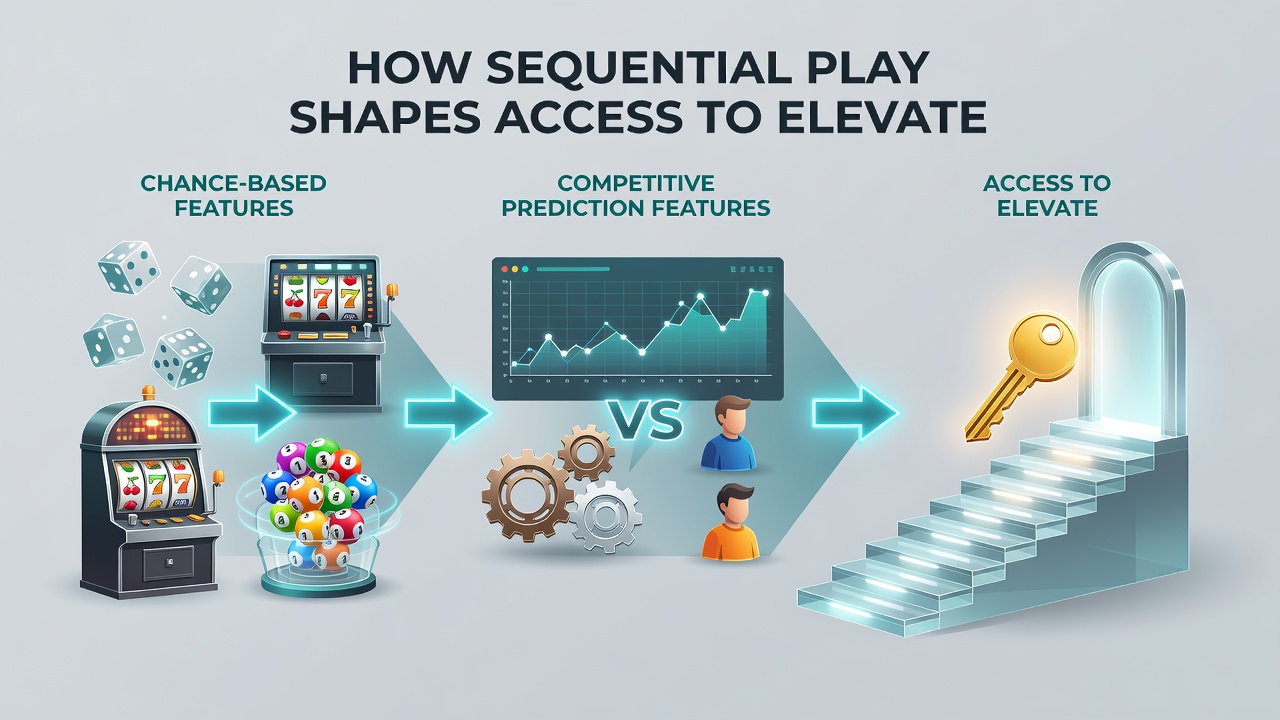
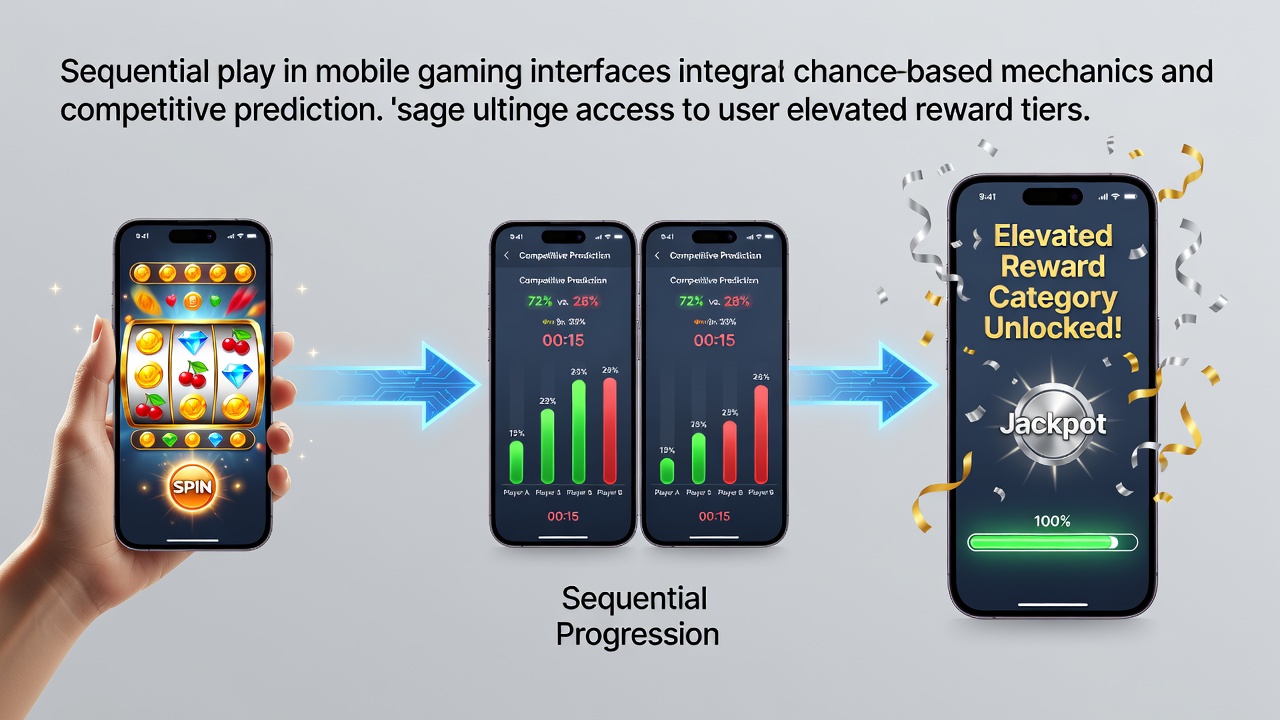
Mobile platforms that integrate chance-based games such as slots and roulette with competitive prediction tools like sports event forecasting have developed structured pathways for users to advance through reward tiers. Sequential play, where participants move directly from one category to the other within the same session, influences progression rates toward elevated reward categories. Data collected from various applications indicates that this pattern of activity accelerates accumulation of loyalty points and unlocks additional features faster than isolated play in either category alone. Researchers tracking user behavior across multiple markets note that portable interfaces often apply weighted multipliers when activity sequences combine random outcome mechanics with predictive elements. For instance, completing a set number of chance-based spins followed by accurate event forecasts generates bonus multipliers that compound across both activity types. This structure appears in platforms operating under regulatory oversight from bodies such as the New Jersey Division of Gaming Enforcement, where compliance records from 2025 and early 2026 show increased documentation of combined-activity bonuses.Mechanics of Sequential Activity in Mobile Environments
Portable applications typically log sequences through timestamped session data. When a user finishes a round of chance-based play and immediately transitions to a prediction feature, the system registers the transition as a qualifying event. Studies from academic sources including reports issued by the University of Nevada, Las Vegas International Gaming Institute reveal that these transitions correlate with higher point accrual rates in loyalty matrices. The process works because algorithms assign distinct point values to each feature type, then apply sequence bonuses when transitions occur within defined time windows. Chance-based rounds contribute base points through volume of spins or bets, while prediction rounds add points based on accuracy and stake size. Combining the two in sequence triggers an additional layer that elevates total points beyond the sum of separate activities.Progression Patterns Observed in June 2026
Figures released in June 2026 from several North American and Australian operators demonstrate that users engaging in at least three sequential transitions per week reach mid-tier reward categories 18 to 24 days earlier than those focusing on single-feature play. The data covers sessions across iOS and Android devices where session tracking remains active throughout the sequence.
Observers note that elevated categories often include priority access to new game releases, customized prediction markets, and accelerated withdrawal processing. These benefits activate once cumulative sequence points cross platform-specific thresholds. Platforms update these thresholds periodically based on aggregate user data to maintain balanced progression curves.Integration of Reward Structures Across Feature Types
Reward categories in these portable interfaces operate on tiered systems that recognize both volume and variety. Sequential play contributes to variety metrics because the system treats the transition itself as evidence of diversified engagement. Industry reports compiled by the Canadian Gaming Association indicate that operators have adjusted their loyalty algorithms to reward sequences more heavily since late 2025, responding to user retention patterns. One documented pattern involves users starting with lower-stake chance-based rounds to build initial points, then moving to higher-stake prediction features once a sequence multiplier activates. This flow produces larger point jumps than reversing the order in some documented cases. The difference stems from how certain platforms weight prediction accuracy following recent chance-based activity.