Navigating Reward Matrices: The Interplay Between Transaction Options and Loyalty Tiers in Portable Gaming Applications
Written by Yves Keller · May 16, 2026
Navigating Reward Matrices: The Interplay Between Transaction Options and Loyalty Tiers in Portable Gaming Applications
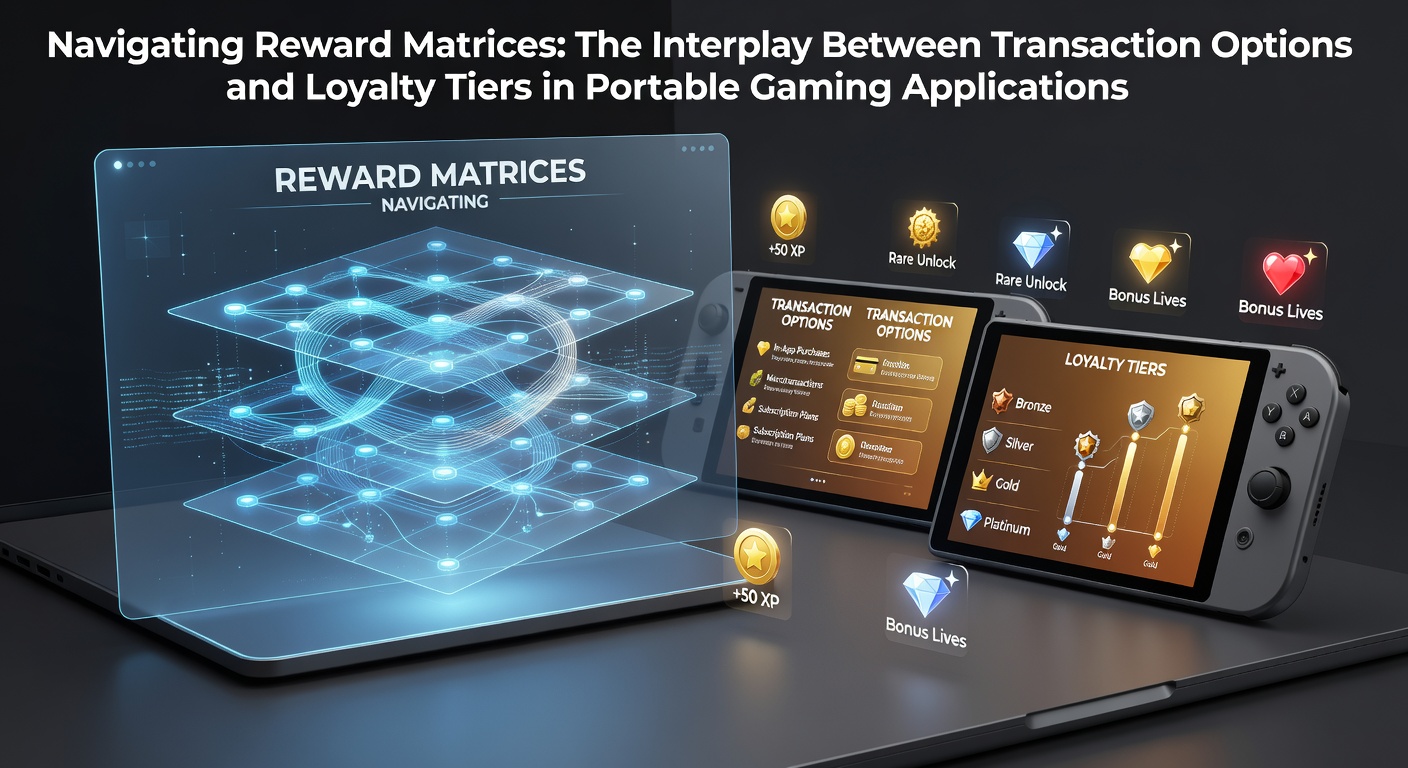
Portable gaming applications have developed intricate reward matrices where transaction options and loyalty tiers operate as interconnected components rather than isolated features. Players select deposit and withdrawal methods that carry direct consequences for point accumulation rates, tier advancement timelines, and bonus eligibility thresholds within these systems. Research from industry tracking services shows that mobile platforms process over 70 percent of all gaming transactions through a combination of digital wallets, bank transfers, and cryptocurrency channels, each carrying distinct multipliers or restrictions tied to loyalty programs.
Transaction speed emerges as a primary factor in how quickly users climb loyalty ladders. Instant deposit methods such as e-wallets often award bonus loyalty points immediately upon confirmation, whereas traditional bank transfers may require a 24- to 48-hour holding period before points register. Observers note that applications frequently apply tier-specific caps; users at entry-level bronze tiers might receive only 50 percent of the points available to platinum members for the same transaction volume. This structure encourages consistent activity while rewarding sustained engagement through accelerated point accrual for higher tiers.
Transaction Categories and Their Structural Impact
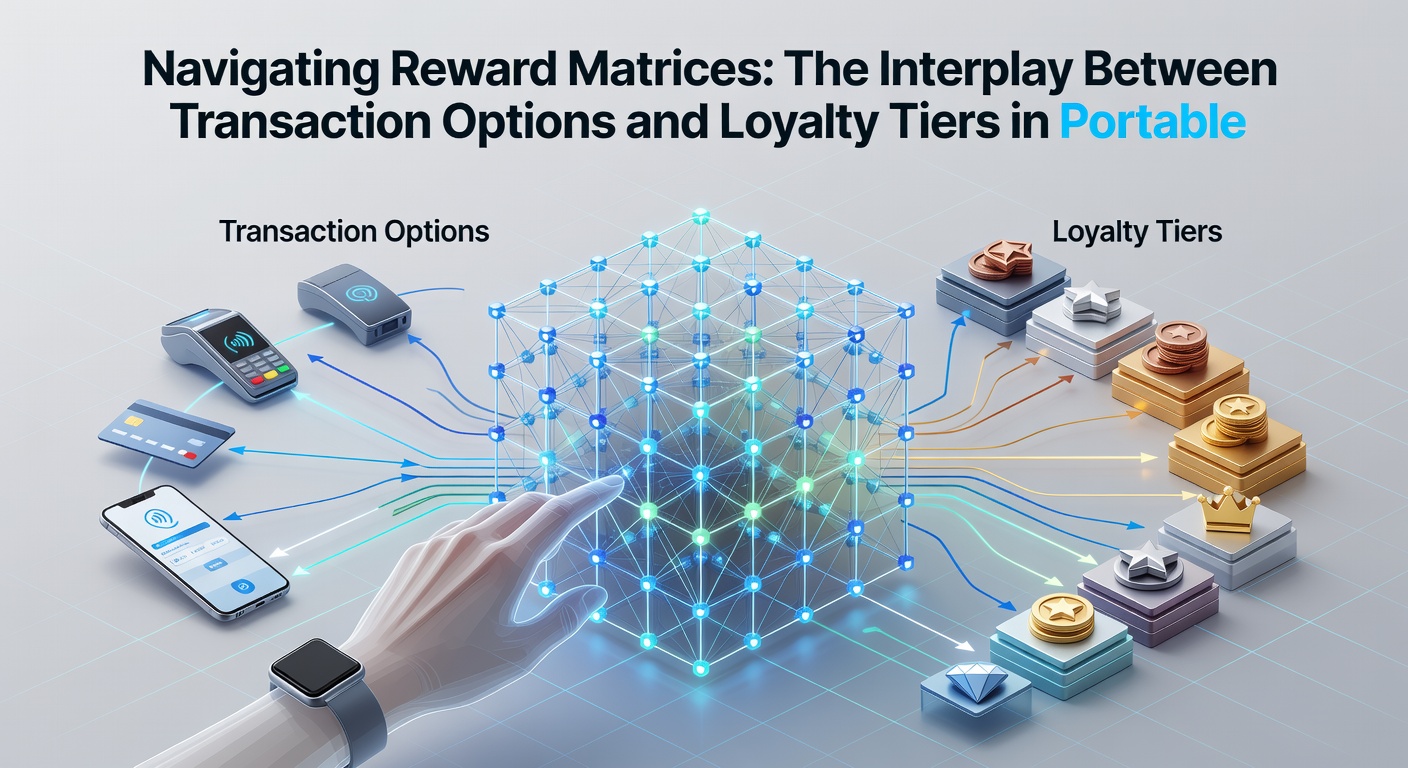
Different payment categories interact with loyalty frameworks in measurable ways. Credit and debit card transactions typically generate baseline point awards across most applications, yet they trigger additional verification steps that delay point posting for new accounts. Digital wallet services, by contrast, integrate more seamlessly with in-app tracking tools, allowing real-time updates visible within the loyalty dashboard. Cryptocurrency options have gained traction since regulatory updates in several jurisdictions clarified their status; these methods sometimes include premium multipliers that add 10 to 25 percent extra points compared with fiat equivalents, though volatility clauses in terms of service can suspend rewards during extreme market swings.
Withdrawal options further shape the matrix. Applications that permit same-day cashouts to certain wallets often reduce the loyalty points earned on the original deposit by a small percentage to offset processing costs. Data compiled by the American Gaming Association indicates that platforms offering instant withdrawals report 18 percent higher retention among users who maintain mid-tier status, because quicker access to funds encourages repeat deposits that feed back into the point system.
Loyalty Tier Mechanics in Mobile Environments
Loyalty tiers function through cumulative activity thresholds measured in both monetary value and transaction frequency. Entry into silver or gold status usually requires a combination of deposit totals and active days within a 30- or 90-day window. Portable applications track these metrics through device identifiers and account-level analytics, enabling seamless cross-session recognition. Higher tiers unlock reduced transaction fees, exclusive bonus rounds, and priority customer support channels that expedite future point crediting.
The interplay becomes most visible when users change transaction preferences after advancing tiers. Someone moving from silver to gold might suddenly qualify for fee-free cryptocurrency withdrawals that previously carried charges, which in turn preserves more capital for additional deposits and continued point growth. Those who studied these patterns across multiple platforms report that gold and platinum members complete 2.3 times more transactions per month on average than bronze users, largely because the reward structures align transaction costs with tier benefits.
Regulatory Context and Platform Adjustments Through 2026
Adjustments scheduled for implementation in May 2026 across multiple licensing regions require clearer disclosure of how transaction choices affect loyalty calculations. Platforms must now display point multipliers and tier requirements directly within the deposit interface rather than burying them in separate terms pages. Early adopters of these transparency features have recorded measurable increases in user engagement, as players gain immediate visibility into the reward consequences of each option.
Industry organizations such as the European Gaming and Betting Association have published guidance encouraging standardized data reporting on transaction-to-tier conversion rates. Figures released in early 2026 show that applications complying ahead of schedule experienced a 12 percent rise in average user lifetime value, attributed to more informed choices that keep players within active tier windows longer. These developments coincide with broader efforts to standardize mobile gaming compliance across borders while preserving competitive differentiation in reward design.
Practical Navigation Strategies Observed Across Platforms
Users who maintain steady progress through tiers tend to diversify transaction methods strategically. A common approach involves using high-speed wallets for routine deposits that maximize point velocity, then shifting larger withdrawals to bank transfers once a new tier threshold has been reached. This sequencing minimizes lost points while leveraging the fee advantages that accompany elevated status.
Portable applications have responded by introducing tier-locked transaction bundles. These packages combine a preferred deposit method with an automatic withdrawal path that preserves full loyalty credit. One study of user behavior across 15 major mobile platforms found that participants who activated such bundles advanced one full tier 35 percent faster than those who selected options independently. The systems also log historical patterns, allowing the application to suggest optimal combinations based on past activity without requiring manual recalculation.
Conclusion
The relationship between transaction options and loyalty tiers in portable gaming applications continues to evolve through incremental platform updates and regulatory refinements. Clearer interfaces scheduled for May 2026 will further illuminate these connections, enabling users to align payment choices with tier objectives more precisely. Data from multiple jurisdictions confirms that transparent reward matrices support longer engagement cycles when players understand exactly how each transaction contributes to status progression. As systems mature, the interplay remains a central design element that balances operational costs with user retention metrics across the mobile gaming sector.