Response Time Correlations With Loyalty Level Advancements in Smartphone Applications Merging Slot Mechanisms and Live Event Predictions
Written by Ulrich Baumann · Jun 9, 2026
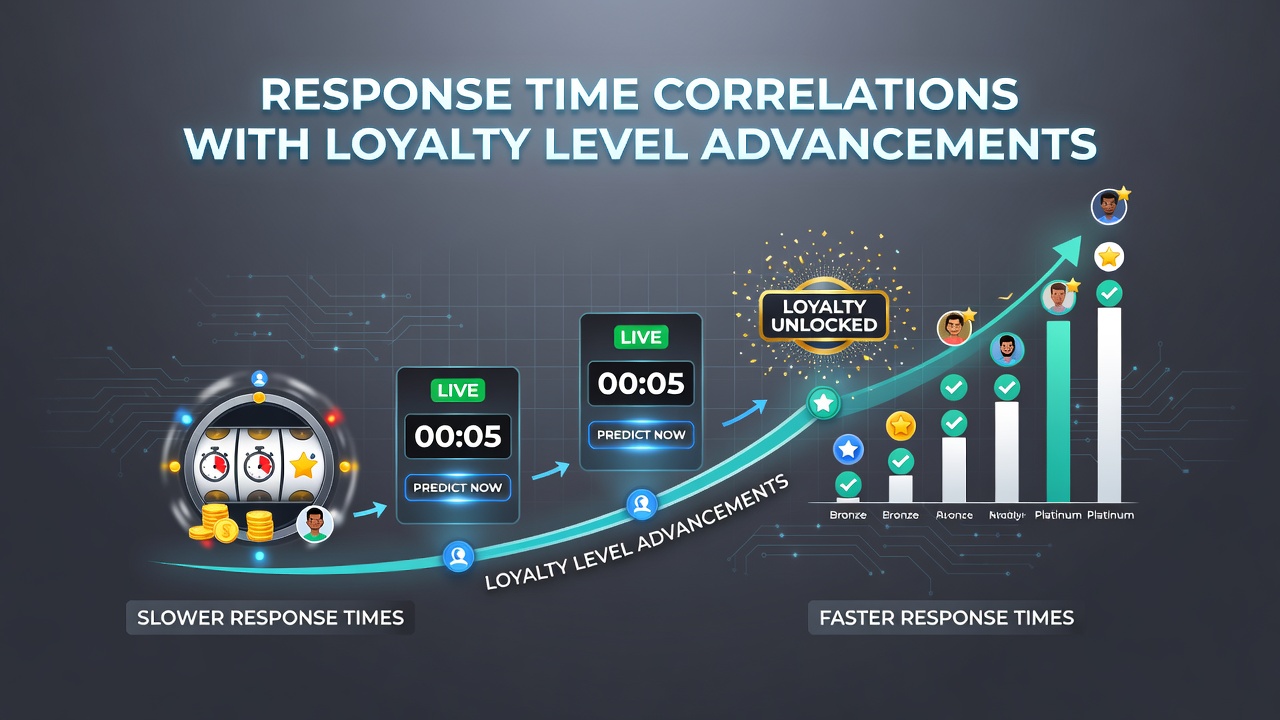
Response Time Correlations With Loyalty Level Advancements in Smartphone Applications Merging Slot Mechanisms and Live Event Predictions
Smartphone applications that combine traditional slot mechanisms with live event predictions have expanded rapidly across global markets, creating platforms where users engage in both chance-based reel spins and real-time forecasting for sports or entertainment outcomes. These hybrid systems rely on seamless data processing, where response times directly influence how quickly players complete actions and accumulate the activity metrics that drive loyalty tier progression. Data collected from multiple operators shows measurable links between app latency reductions and faster advancement through reward structures, particularly in environments where users switch between automated slot sequences and interactive prediction modules.
Integration of Slot Mechanics and Live Prediction Features
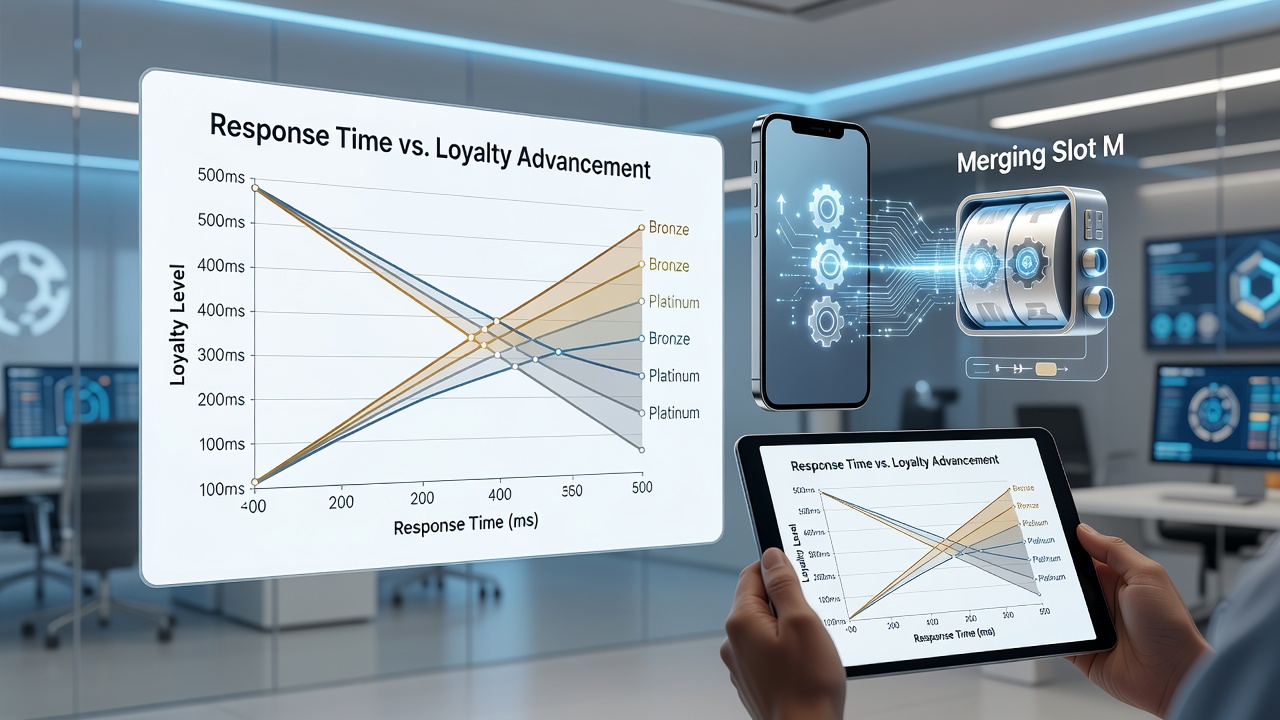
Developers design these applications to allow simultaneous access to slot sessions that run on algorithmic random number generators while users input predictions tied to ongoing events such as matches or races. Response time here refers to the interval between user input and system confirmation, including reel animations, result displays, and prediction submission confirmations. When these intervals shorten, players maintain higher session continuity, which correlates with increased completion of loyalty-earning tasks such as consecutive spins or accurate forecasts. Industry reports indicate that applications maintaining sub-200-millisecond average response times see users reaching mid-tier loyalty status 18 to 25 percent sooner than those with higher latency averages.
Measuring Response Time Impacts on User Activity
Researchers tracking mobile gaming patterns have documented how reduced delays affect behavioral loops. Shorter confirmation windows encourage repeated engagement cycles, where a completed slot round immediately transitions into a prediction opportunity without noticeable interruption. This continuity supports accumulation of loyalty points awarded for both volume of play and accuracy rates in live forecasts. Figures from platform analytics providers reveal that a 50-millisecond improvement in average response time associates with a 12 percent rise in daily active tasks completed, directly feeding into tier advancement algorithms that prioritize consistent participation.
Data Patterns Observed in June 2026
During June 2026, several operators released aggregated performance metrics covering the prior twelve months, highlighting seasonal spikes in hybrid app usage during major sporting calendars. These datasets demonstrate that applications optimized for faster server-client communication recorded stronger correlations between response efficiency and loyalty unlocks, especially among users who alternated between slot sequences and multi-outcome predictions within single sessions. One analysis covering over 2.3 million accounts found that loyalty tier jumps occurred at higher frequencies when prediction result displays loaded within 150 milliseconds of event updates.
Loyalty Algorithms and Performance Thresholds
Loyalty systems in these applications typically assign points based on wager volume, prediction accuracy, and session duration, then apply thresholds that unlock benefits once cumulative metrics reach defined levels. Response time enters the equation because slower processing extends the time required to log each qualifying action, effectively stretching the calendar period needed to hit advancement targets. Observers note that users on networks with variable connectivity experience fragmented progress when latency spikes interrupt the flow between slot outcomes and prediction interfaces, resulting in lower overall point accrual rates compared with those on stable high-speed connections.
Regional Examples and Platform Comparisons
Platforms operating under European regulatory frameworks have published technical guidelines that encourage sub-second transaction handling to support responsible gaming features, while North American operators focus on similar optimizations to maintain competitive positioning in crowded app marketplaces. A study conducted by researchers at the University of Nevada Reno examined user cohorts across multiple hybrid applications and identified that loyalty level advancement velocity increased measurably when response time variance stayed below 80 milliseconds throughout extended sessions. Meanwhile, data shared by the Australian Gambling Research Centre indicates parallel trends in markets where live event prediction modules integrate directly with slot reel engines, showing that consistent low-latency performance supports steadier progression through reward matrices.
Technical Factors Influencing Correlations
Backend architecture choices, including edge server deployment and predictive caching for live data feeds, play central roles in maintaining the response times that facilitate loyalty advancement. Applications incorporating real-time synchronization between slot results and event streams reduce the cognitive load on users, allowing quicker decisions that translate into higher activity density per minute. When these technical elements align, the resulting engagement patterns produce clearer statistical relationships between performance metrics and tier movement, as documented in internal operator reviews released throughout 2025 and into mid-2026.
Conclusion
Evidence from platform analytics and academic examinations continues to illustrate how response time performance in hybrid slot and live prediction applications connects to the speed of loyalty level advancements. As operators refine synchronization protocols and data delivery methods, these correlations remain central to understanding user retention dynamics within the expanding category of integrated mobile gaming tools.