Seamless Spins Anywhere: Mobile Innovations Reshaping Roulette and Blackjack Access
Written by Ulrich Baumann · Apr 16, 2026

Seamless Spins Anywhere: Mobile Innovations Reshaping Roulette and Blackjack Access
The Shift to Mobile: How Roulette and Blackjack Went Pocket-Sized
Smartphones changed everything for casino games like roulette and blackjack, turning clunky desktop sessions into fluid, on-the-go experiences; developers rolled out HTML5 platforms back in the early 2010s, allowing browsers to handle complex graphics without plugins, while apps soon followed with native touch controls that mimic real casino tables. Data from the American Gaming Association reveals that mobile wagering now accounts for over 60% of all online casino activity in the US, a surge driven by faster processors and high-res displays on devices like the latest iPhones and Android flagships. And here's the thing: players don't just spin wheels or hit stands anymore; they do it from buses, beaches, or break rooms, thanks to geofencing tech that unlocks games only in licensed zones.
But what's interesting lies in the details of this transition; early mobile roulette struggled with laggy spins and tiny betting grids, yet innovations like responsive design fixed that, scaling interfaces perfectly from 4-inch screens to tablets, so a quick swipe now places chips precisely on red, black, or that elusive 17. Blackjack followed suit, with multi-hand options compressing seamlessly, letting users manage several tables at once without zooming frustrations. Turns out, global adoption exploded; figures from Europe show a 45% year-over-year increase in mobile sessions for these classics, as 5G networks rolled out wider, slashing latency to under 20 milliseconds in urban areas.
Key Tech Breakthroughs Powering Seamless Play
Augmented reality overlays now blend virtual roulette wheels onto real-world tables via phone cameras, creating immersive setups where friends join spins from their own devices; developers at companies like Evolution Gaming pioneered this, integrating it with live dealers who interact through chat and gestures visible on screen. Semicolons connect these features to AI-driven personalization, where algorithms track betting patterns to suggest optimal blackjack strategies or roulette sectors based on past hot streaks, all processed in-app without cloud delays. Experts who've studied this note how haptic feedback adds realism; phones vibrate on wheel lands or blackjack busts, tricking senses into feeling the casino floor.
Live dealer mobile streams represent another leap; high-definition video from studios in Malta and the Philippines beams real-time action, with multi-angle cameras capturing every card shuffle or ball drop, and touch-optimized side bets like perfect pairs in blackjack popping up intuitively. Data indicates 5G enables 4K streams at 60fps, a far cry from the buffered feeds of 4G days, while edge computing pushes processing to device level, ensuring spins stay smooth even in spotty coverage. Now consider security layers: biometric logins via Face ID or fingerprints secure sessions, and blockchain verifies game fairness, logging every outcome on tamper-proof ledgers that players can audit themselves.
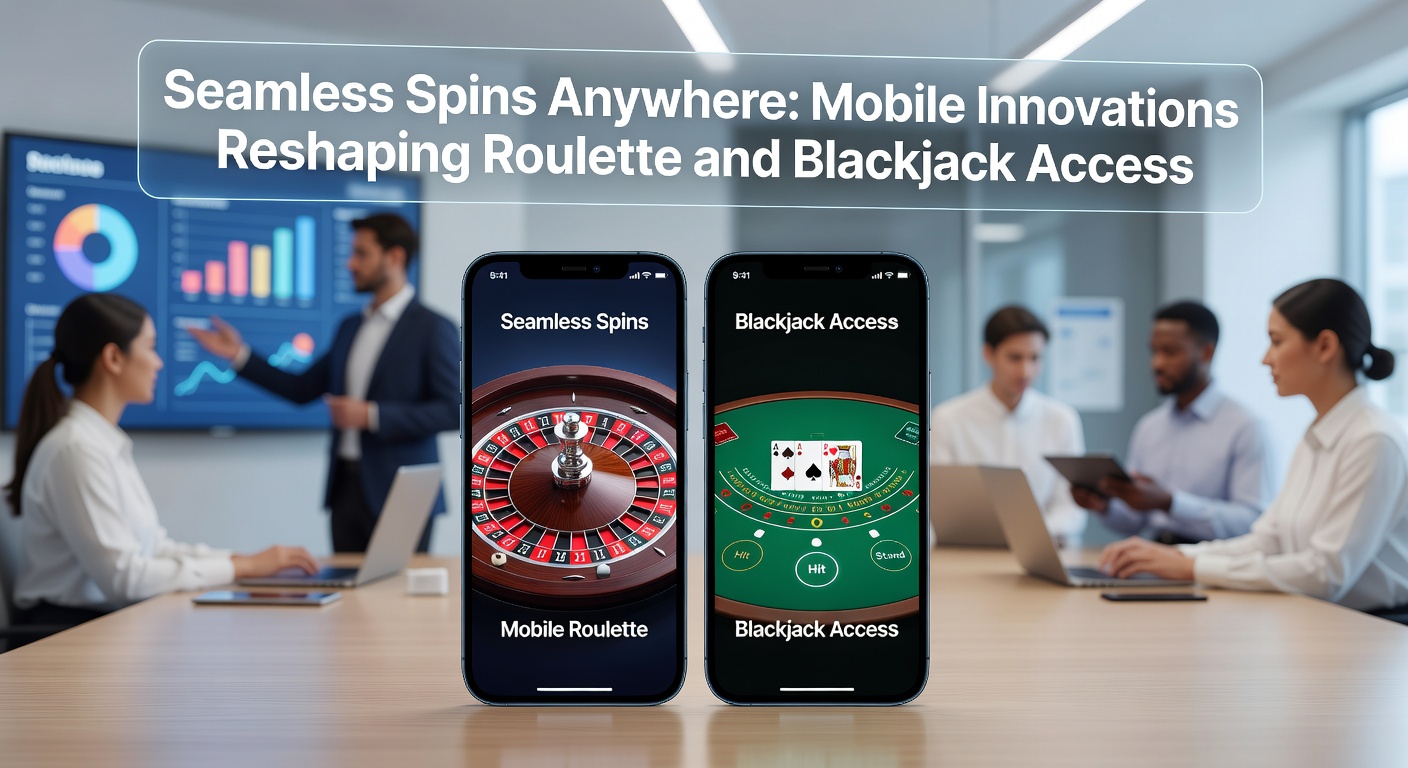
Roulette Reinvented: From Wheel to Fingertip Swipes
Traditional roulette tables once demanded physical presence, but mobile versions replicate the thrill with 3D wheels that physics engines spin realistically, factoring gravity and ball speed for authentic bounces; lightning roulette variants amp this up, randomly electrifying numbers for multipliers up to 500x, all tappable on portrait-mode screens. One case study from a Swedish developer showed how gesture controls let users flick balls themselves, boosting engagement by 30% in tests, while auto-play for neighbors bets handles complex patterns hands-free during commutes.
Yet roulette's mobile edge shines in social features; multiplayer lobbies connect global players to shared wheels, complete with emoji reactions and voice notes, turning solitary spins into virtual parties. Research from university labs in Canada highlights how these adaptations cut house edges slightly through provably fair RNGs, certified by bodies like eCOGRA, ensuring every spin's randomness holds up under scrutiny. And as networks evolve, satellite integration promises rural access, where low-Earth orbit beams deliver casino-grade roulette to remote farms or mountains.
Blackjack's Mobile Makeover: Strategy on the Move
Blackjack thrives on decisions, and mobile interfaces streamline them with split-screen views showing dealer cams alongside strategy charts that glow for hits, stands, or doubles; infinite deck shufflers maintain fairness, while side games like 21+3 poker hands integrate without cluttering the main play. Players often find card counting aids subtle, like heat maps flagging high-card streaks, though regulators cap these to preserve game integrity. Figures reveal mobile blackjack sessions average 25% longer than desktop ones, attributed to push notifications that nudge back to unfinished hands.
Take live mobile blackjack, where optical character recognition scans real cards instantly, piping results to apps with zero delay; this setup, popular in Asian markets, lets users tip dealers via crypto wallets embedded in the UI. Observers note how foldable phones expand to dual-table modes, effectively doubling action during waits, and voice commands handle bets like "double down on 11," freeing hands for coffee runs. That's where the rubber meets the road for accessibility; even low-spec devices run these via cloud rendering, democratizing pro-level play.
Regulations Keeping It Fair and Secure Across Borders
Governments worldwide tightened rules as mobile access boomed, with the Malta Gaming Authority mandating geolocation APIs that lock apps outside jurisdictions, while Australian states enforce bet limits per spin to curb impulse plays on roulette. In the US, state-by-state licensing via commissions like Nevada's requires RNG audits every quarter, ensuring blackjack odds match land-based tables at 99.5% RTP. Canada’s provincial bodies, such as Ontario's, push for self-exclusion tools integrated into apps, where one tap blocks roulette access for set periods.
But here's where it gets interesting: cross-border data flows trigger GDPR compliance in Europe, forcing apps to anonymize bets while logging for tax purposes; blockchain audits, now standard in Ontario trials, let players verify no manipulations occurred mid-session. Enforcement ramps up with AI monitors flagging suspicious patterns, like rapid blackjack switches, preventing collusion in multiplayer modes. So compliance isn't just checkboxes; it's baked into the tech, from end-to-end encryption on streams to mandatory cool-off timers after big roulette wins.
Future Horizons: What's Next by April 2026
By April 2026, projections point to wearable integration, where smartwatches handle quick blackjack peeks or roulette side bets via wrist taps; AR glasses like upcoming Apple models will project full tables into views, overlaying live dealers on coffee shop counters. 6G trials promise sub-1ms latency, enabling haptic suits for full-body wheel vibrations, while quantum RNGs guarantee unbreakable randomness for high-stakes spins. Studies forecast mobile casino revenue hitting $150 billion globally that month, led by roulette's visual appeal and blackjack's skill draw.
One research group detailed a pilot where neural interfaces previewed bets mentally, though ethics boards slowed rollout; instead, expect metaverse casinos where avatars crowd virtual roulette pits, accessed purely via phone VR modes. Rural 5G expansions, funded by EU grants, will bridge divides, letting remote players join live blackjack from anywhere with signal. And sustainability creeps in: low-power modes cut battery drain by 40% on spins, aligning with green gaming mandates.
Case in point: a 2025 beta in Nevada tested drone-delivered geofences for pop-up events, where April 2026 festivals could beam exclusive roulette tournaments to attendee phones, blending physical crowds with digital overflows. People who've tracked this see the writing on the wall; mobile won't just reshape access, it'll redefine casinos entirely.
Conclusion
Mobile innovations have woven roulette and blackjack into daily rhythms, from swipe-spins on subways to AR tables at tailgates; stats confirm the dominance, with seamless tech erasing barriers once tied to brick-and-mortar spots. Regulators balance this freedom with safeguards, paving a path where April 2026 marks not an end, but acceleration into wearables and beyond. Those diving in discover a landscape where classic games pulse vibrantly, accessible yet secure, ready for wherever life takes the next bet.