Synchronized Progress Tracking Between Roulette Sessions and Live Sports Events in Unified Mobile Applications
Written by Yves Keller · Jun 4, 2026
Synchronized Progress Tracking Between Roulette Sessions and Live Sports Events in Unified Mobile Applications
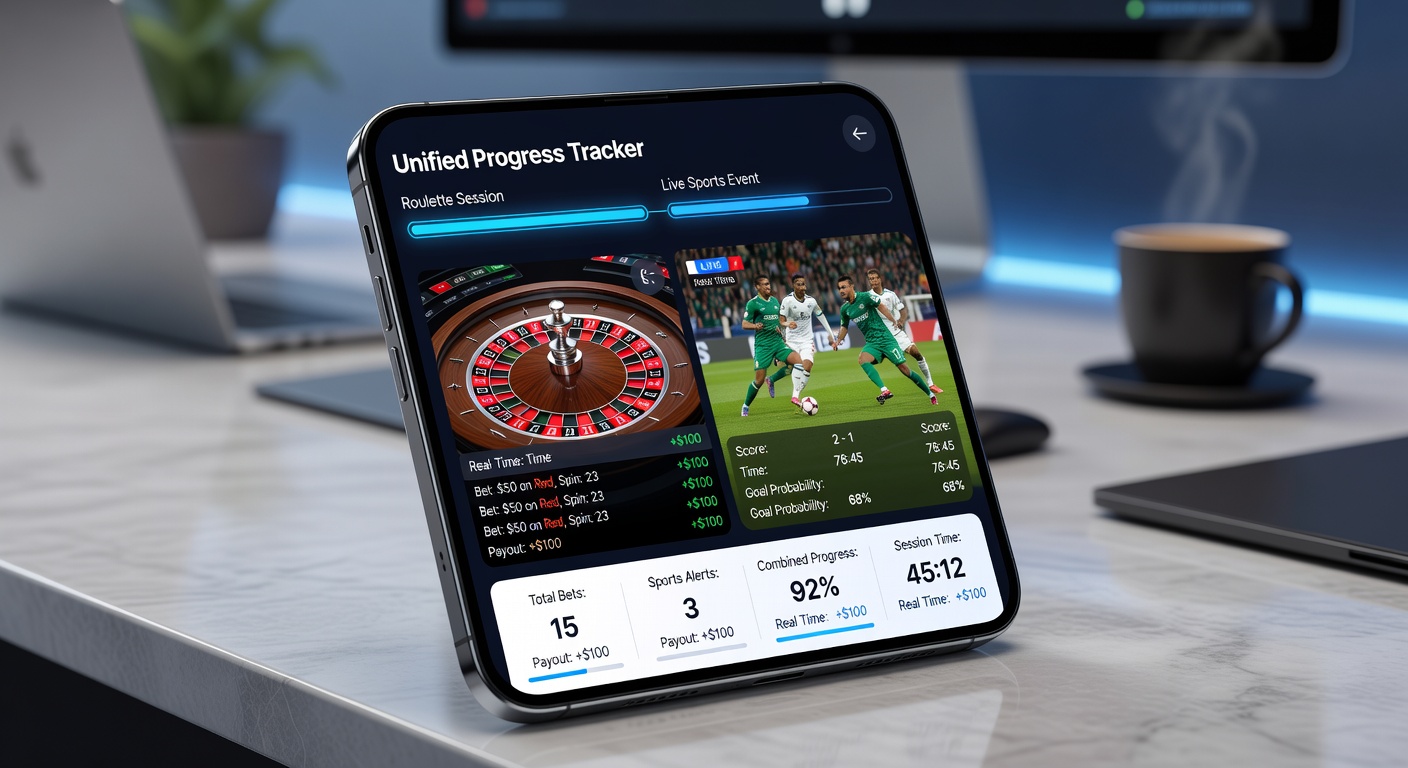
Unified mobile applications now allow users to monitor roulette session progress while following live sports events through shared tracking systems that pull data from both gaming servers and sports feeds in real time. These platforms combine session metrics such as spin history, bet patterns, and balance changes with sports statistics including scores, player performance, and event timelines, creating a single dashboard view that updates continuously during simultaneous activities.
Core Mechanisms Behind Cross-Activity Tracking
Developers integrate APIs from roulette game providers with sports data aggregators so that progress indicators from one activity can influence display elements in the other without requiring separate logins or manual refreshes. For instance, a completed roulette round might trigger a brief overlay notification showing how a related sports bet has performed, while live game updates from basketball or soccer adjust the visibility of roulette quick-bet options based on predefined user preferences. Data synchronization occurs through encrypted cloud relays that timestamp every event, allowing the application to maintain consistent records across both domains even when network conditions fluctuate.
Implementation Across Major Platforms
Several operators have deployed these unified systems in markets where both online roulette and sports wagering operate under the same regulatory frameworks. Observers note that applications launched or updated before June 2026 typically featured basic side-by-side windows, whereas later versions introduced predictive elements that forecast potential roulette outcomes based on aggregated sports momentum data. The shift became noticeable after regulatory updates in multiple jurisdictions required clearer separation of gaming and sports modules, prompting developers to embed progress trackers that respect those boundaries while still sharing non-sensitive metadata.
One documented case involved a North American operator that linked European roulette wheels with major league baseball feeds, allowing users to see how their session win rates aligned with inning-by-inning scoring trends. Similar approaches appear in European and Australian markets where operators coordinate with local sports leagues to ensure data feeds remain accurate during high-volume periods.
Data Handling and User Controls
Applications store synchronized records in segmented databases that separate roulette transaction logs from sports event metadata, reducing the risk of cross-contamination while still permitting unified progress reports. Users can toggle synchronization on or off through settings menus, and many platforms provide export functions that generate combined activity summaries for personal review. Research from the American Gaming Association indicates that operators adopting these features report higher retention rates among users who engage with both product types within the same session.

Regulatory Context and Technical Standards
By June 2026, several gaming control boards had issued guidance on unified tracking systems, emphasizing requirements for transparent data handling and clear user consent mechanisms. These directives built upon earlier frameworks established by bodies such as the Alcohol and Gaming Commission of Ontario and the Australian Communications and Media Authority, which focused on maintaining distinct audit trails for each activity type. Compliance often involves third-party testing of synchronization accuracy to confirm that progress indicators do not inadvertently alter game outcomes or sports odds displays.
Technical standards now include mandatory latency thresholds so that updates from live sports events reach the roulette interface within defined time windows, preventing any perception of delayed information. Operators that meet these benchmarks typically publish compliance reports detailing their synchronization protocols and data retention periods.
Observed Usage Patterns
Analytics from platforms offering synchronized features show that peak engagement occurs during major sporting tournaments when roulette sessions tend to run longer. Figures from industry reports reveal that users who activate cross-tracking spend more time within the application overall, though individual session lengths for each activity remain comparable to those recorded in standalone apps. Developers continue to refine algorithms that surface relevant sports statistics during quieter moments in roulette play, such as between spins or during dealer changes.
Conclusion
Unified mobile applications have established practical methods for tracking progress across roulette sessions and live sports events through integrated data systems that respect regulatory boundaries. As operators refine these tools in response to updated standards and user expectations, the focus remains on accurate, timely synchronization that keeps both activity streams accessible within a single interface. Continued development will likely center on improving data segmentation and expanding compatibility with additional sports and game formats.