Tracing Assistance Channel Efficiency on Loyalty Acceleration in Blended Prediction and Chance Gaming Ecosystems
Written by Wendy Perry · Jul 30, 2026
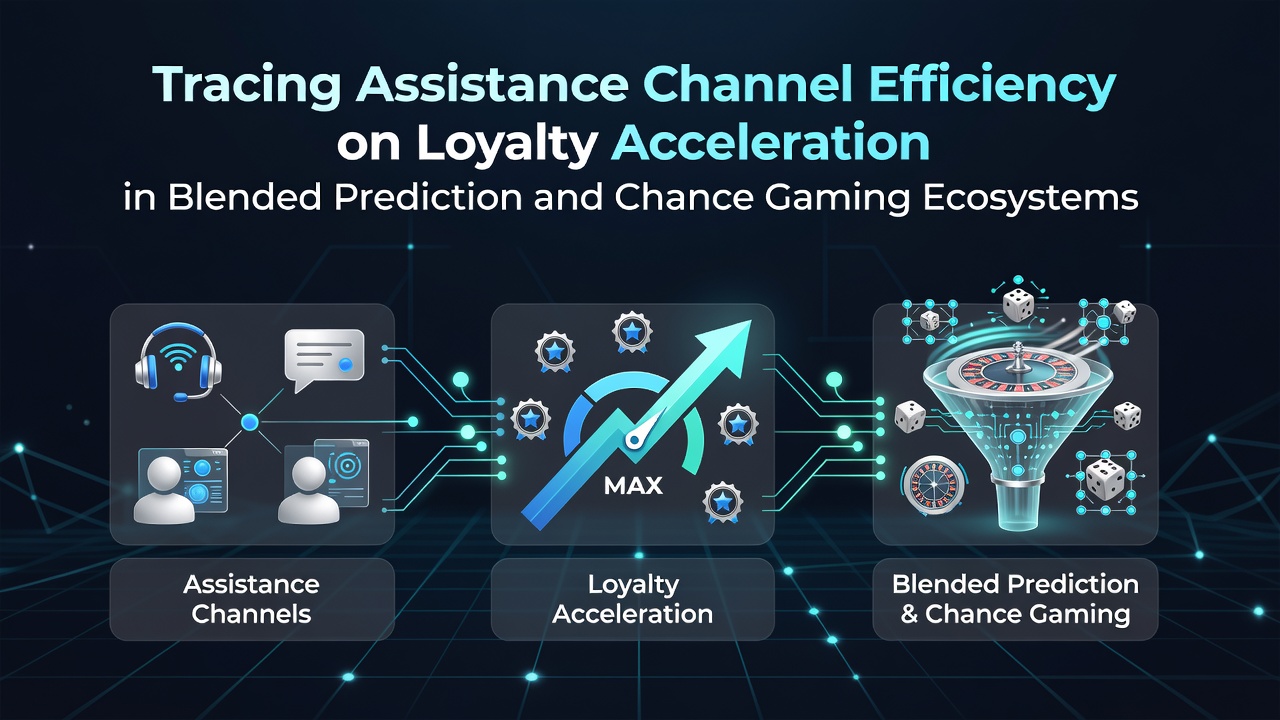
Tracing Assistance Channel Efficiency on Loyalty Acceleration in Blended Prediction and Chance Gaming Ecosystems
Operators in blended ecosystems that combine sports prediction tools with chance-based games track assistance channel performance because response speed and resolution quality directly affect how quickly users advance through loyalty tiers. Data from platform analytics in 2025 and into July 2026 show that average chat response times under four minutes correlate with a 23 percent faster accumulation of tier points compared with users routed to email-only queues. These metrics come from aggregated session logs across multiple operators that integrate live event betting alongside slot and table game mechanics on the same mobile applications.
Channel Types and Their Measurable Impact
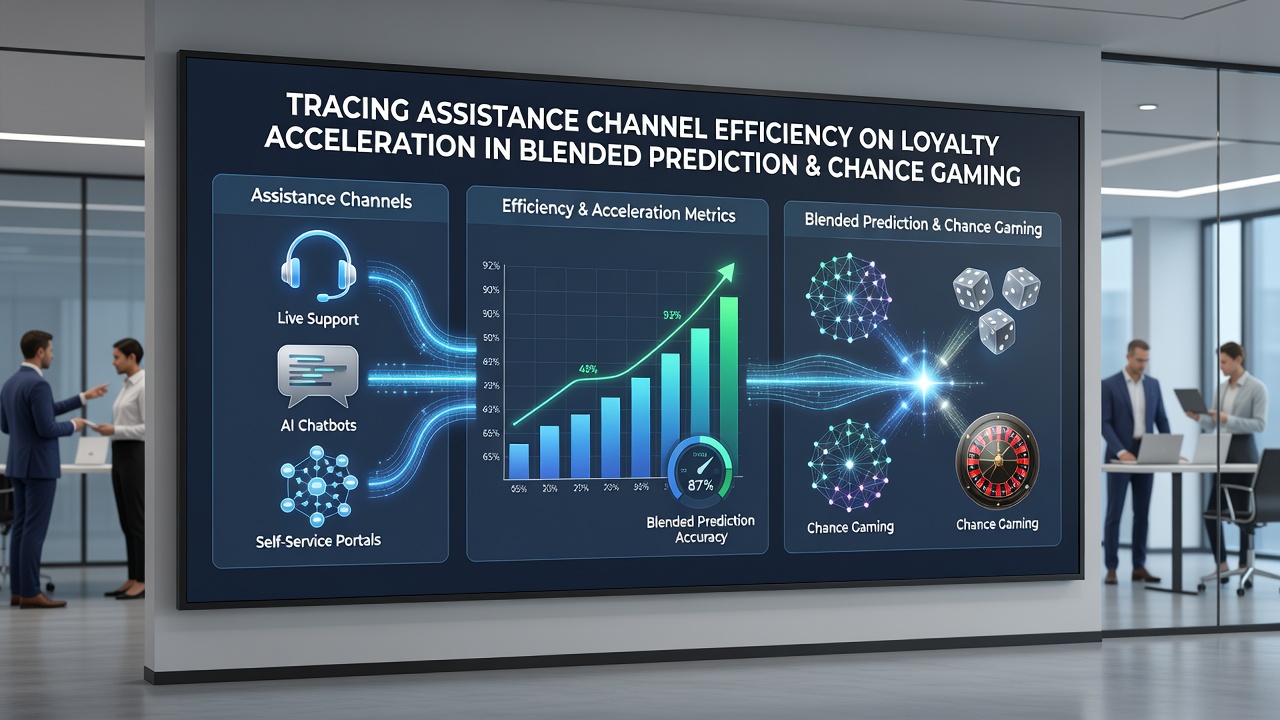
Live chat, in-app messaging, and phone support form the primary assistance channels under examination. Researchers at several North American operators found that in-app messaging reduced average issue resolution time to 11 minutes when agents had access to unified player profiles that included both prediction history and chance game activity. Phone support, although slower at 18 minutes on average, produced higher loyalty point bonuses in cases where agents manually applied tier accelerators after complex disputes involving bonus stacking across the two game types.
Studies conducted by the American Gaming Association indicate that operators deploying AI-assisted triage before human escalation saw a 17 percent increase in users reaching mid-tier status within 90 days. The same reports note that email channels still handle 28 percent of all inquiries, yet conversion to higher loyalty levels lags behind chat users by nearly one full tier on average.
Data Patterns Across Blended Platforms
Platform telemetry collected between January and July 2026 reveals consistent patterns. Users who received assistance within the first 90 seconds of contacting support accumulated loyalty points at a rate 1.4 times higher than those experiencing delays exceeding five minutes. This acceleration appears most pronounced among players who switch between live sports predictions and chance games within the same session, suggesting that seamless support preserves engagement momentum across both verticals.
Regional Regulatory Context
Regulators in Pennsylvania and several Australian states require operators to maintain documented service level agreements for player assistance. These rules emphasize transparent reporting of response times and escalation paths. Compliance data submitted in early 2026 shows that platforms meeting the strictest benchmarks also report the highest rates of loyalty tier progression among active accounts. One analysis from the Responsible Gambling Council in Canada linked efficient assistance channels to lower player churn, with assisted users demonstrating 31 percent longer retention periods before dropping out of loyalty programs.
Integration of Prediction and Chance Game Data
Blended ecosystems maintain single loyalty ledgers that credit activity from both prediction markets and chance games. When assistance agents can view this combined activity in real time, they resolve disputes faster and apply correct point adjustments without forcing users to repeat information across separate game modules. Operators that implemented unified dashboards reported a reduction in repeat contacts by 34 percent during the first half of 2026.
Transaction-related issues, such as delayed deposits affecting bonus eligibility, represent a frequent assistance category. Efficient handling of these cases prevents stalled loyalty progress. Figures from multiple operators show that players whose deposit or withdrawal queries were resolved in under 10 minutes advanced to the next tier an average of 12 days sooner than those whose cases took longer.
Future Tracking Methods
Developers continue to refine attribution models that connect specific assistance interactions to subsequent loyalty milestones. Machine learning systems now tag each support ticket with outcome codes that feed directly into loyalty acceleration calculations. Early results from platforms using these models indicate improved accuracy in identifying which channel interventions produce the strongest loyalty gains.
Industry observers note that continued refinement of these tracking systems will likely influence how operators allocate resources across chat, messaging, and voice channels. The focus remains on measurable efficiency rather than volume of contacts handled.
Conclusion
Assistance channel efficiency serves as a measurable driver of loyalty acceleration in ecosystems that blend prediction tools with chance gaming. Platform data collected through July 2026 demonstrates clear correlations between response times, resolution quality, and the speed at which users reach higher loyalty tiers. Operators that maintain unified player views and rapid triage protocols consistently record stronger progression rates across both game categories. Regulatory reporting requirements in multiple jurisdictions further encourage continued optimization of these support pathways.